
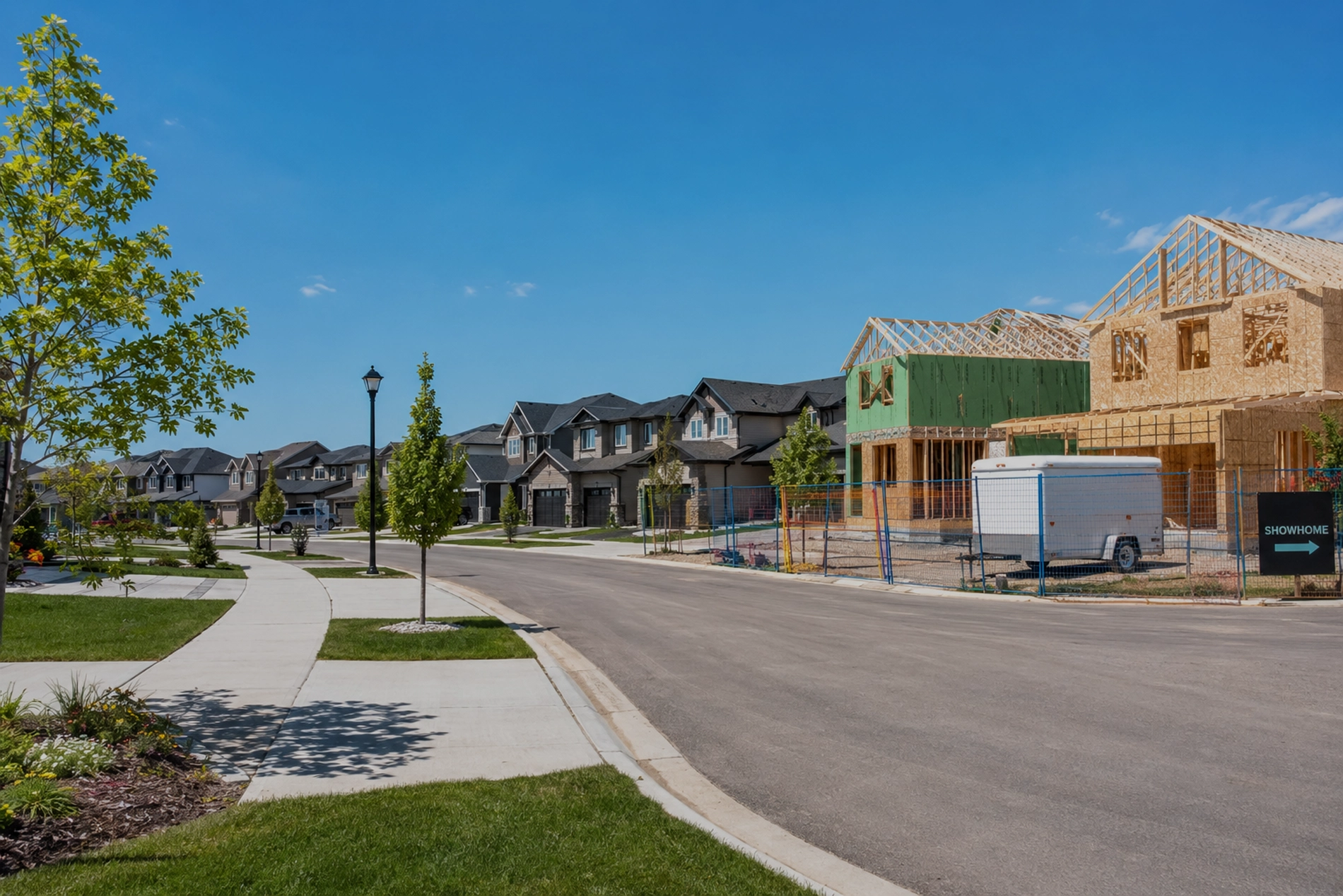
When buyers tell me they want a newer home in Winnipeg, three communities come up more than any others: Sage Creek, Bridgwater, and Prairie Pointe. All three offer modern builds, family-friendly amenities, and that "new neighbourhood" feel. But they're not interchangeable.
Each one has its own personality, price range, and set of trade-offs. If you're trying to decide between them, this comparison should help you narrow things down.
Sage Creek: The Most Established of the Three
Sage Creek is located in southeast Winnipeg, just south of the Perimeter Highway and east of Lagimodiere Boulevard. Development started in the mid-2000s, which means the earliest phases are now mature enough to have established trees, finished landscaping, and a lived-in feel.
The community was master-planned with a focus on green space. There are walking paths, ponds, parks, and a central commercial area with a grocery store, restaurants, and shops. For a suburban neighbourhood, the ability to walk to grab groceries or a coffee is a significant plus.
Homes in Sage Creek range from starter-sized two-storey homes in the $400,000s to larger executive homes pushing past $700,000. You'll also find condos and townhomes for buyers looking for a lower-maintenance option. Resale homes are readily available in the established phases, while newer phases still offer the chance to build custom.
Schools are a big draw. Sage Creek has its own elementary school within the community, and the area is served by the Louis Riel School Division. Families with school-aged children have found the school access convenient.
Commute considerations: If you work downtown, the drive from Sage Creek takes about 20 to 25 minutes in normal traffic. The Bishop Grandin corridor and Lagimodiere Boulevard are the main routes. During peak hours, expect that to stretch. If you work in the southeast industrial area or along the Perimeter, Sage Creek is very well-positioned.
Browse current Sage Creek listings here.
Bridgwater: Size and Variety
Bridgwater is located in southwest Winnipeg, south of McGillivray Boulevard and west of Pembina Highway. It's one of Winnipeg's largest newer developments and includes several sub-communities: Bridgwater Forest, Bridgwater Lakes, Bridgwater Trails, and Bridgwater Centre.
The scale of Bridgwater means there's a wider variety of housing types and price points compared to most new developments. You'll find everything from affordable townhomes in the $300,000s to premium custom builds over $800,000. That variety attracts everyone from first-time buyers to families upgrading to their forever home.
The commercial side of Bridgwater is growing steadily. Bridgwater Centre includes big-box retail, restaurants, and services. You don't need to leave the area for day-to-day errands, which is a real convenience factor.
Green space and recreation are built into the design. Walking trails connect the sub-communities, and there are multiple parks, playgrounds, and stormwater ponds that double as attractive water features. The Bridgwater neighbourhood association runs community events throughout the year.
Schools in Bridgwater fall under the Pembina Trails School Division, which has a strong reputation. There are schools within and near the community, and the school division has been responsive to the growing population in the area.
Commute considerations: Getting downtown from Bridgwater takes about 20 to 30 minutes depending on traffic. The Pembina Highway corridor is the main route, and it gets busy during rush hour. If you work at the University of Manitoba, you're close. If you work in the southwest industrial parks, this is an ideal location.
See what's available in Bridgwater right now.
Prairie Pointe: The Newest Option
Prairie Pointe is the newest of the three, located in south Winnipeg near Waverley Street and the Perimeter Highway. Because it's still in its early development stages, there's a different dynamic here compared to Sage Creek or Bridgwater.
The biggest advantage of buying in Prairie Pointe right now is that you can get a newer build at a competitive price point. Builders are actively offering lots and spec homes, and you have more selection for customization than you would in a nearly built-out community. Entry-level homes start in the low $400,000s, with larger builds moving into the $500,000s and $600,000s.
The trade-off is that Prairie Pointe doesn't have the established amenities yet. Commercial development, schools, and community infrastructure are still catching up to the residential growth. That's normal for a community this new, but it means you'll likely be driving to nearby areas for shopping and services in the short term.
What's planned: The long-term vision for Prairie Pointe includes parks, trails, commercial areas, and school sites. If you're comfortable buying into the potential of a community rather than what exists today, the value proposition is compelling.
Commute considerations: Prairie Pointe is close to the Perimeter Highway, which gives good access to multiple parts of the city. Downtown is roughly a 25 to 30-minute drive. The Waverley Street corridor connects you to the University of Manitoba area and southwest Winnipeg.
Check out Prairie Pointe listings here.
Head-to-Head Comparison
Here's a quick look at how the three stack up on the factors that matter most to buyers.
Price Range
- Sage Creek: $400,000 to $700,000+ for single-family homes
- Bridgwater: $300,000 to $800,000+ (widest range due to variety of housing types)
- Prairie Pointe: $400,000 to $600,000+ (still early in development)
Maturity
- Sage Creek: Most established. Early phases feel settled and complete.
- Bridgwater: Mid-stage. Some areas are fully developed, newer phases are still growing.
- Prairie Pointe: Earliest stage. Fresh builds, but limited amenities.
Commercial Amenities
- Sage Creek: Grocery store, restaurants, and shops within the community.
- Bridgwater: Extensive retail at Bridgwater Centre, plus neighbourhood-level shops.
- Prairie Pointe: Minimal for now. Planned for the future.
School Access
- Sage Creek: School within the community (Louis Riel School Division).
- Bridgwater: Schools nearby and within the community (Pembina Trails School Division).
- Prairie Pointe: School sites planned but not yet built. Busing to nearby schools in the interim.
Green Space
- Sage Creek: Well-developed trail system, ponds, and parks.
- Bridgwater: Extensive trails connecting sub-communities, multiple parks.
- Prairie Pointe: Parks planned and under development.
Commute to Downtown
- Sage Creek: 20 to 25 minutes (via Lagimodiere or Bishop Grandin).
- Bridgwater: 20 to 30 minutes (via Pembina Highway).
- Prairie Pointe: 25 to 30 minutes (via Waverley or Pembina).
Which One Is Right for You?
There's no single best answer. It really depends on your priorities.
Choose Sage Creek if you want a newer community that already feels established. If having a grocery store, school, and developed parks within walking distance matters to you, Sage Creek delivers that today. It's also a strong choice if you work in southeast Winnipeg.
Choose Bridgwater if you want the widest selection of housing types and price points. It's ideal if you want the convenience of nearby retail and multiple school options. The southwest location works well if your job is along Pembina Highway or in the southwest part of the city.
Choose Prairie Pointe if you're focused on getting the best value for a new build. If you don't mind that some amenities are still a few years away, and you like the idea of being one of the early residents in a growing community, Prairie Pointe offers an opportunity that the other two can't match at this stage.
A Few Things All Three Have in Common
It's worth noting that all three communities share some characteristics typical of newer Winnipeg developments.
Property taxes tend to be based on newer, higher assessments. Since the homes are recently built, their assessed values are current. This can mean higher annual property tax bills compared to an older home of similar size in an established neighbourhood. The City of Winnipeg's property assessment page lets you look up assessments for specific addresses.
You'll likely need a vehicle. While all three communities have some walkable amenities, they're suburban by design. If being car-free is important to you, a more central neighbourhood might be a better fit.
Builder warranties apply. New homes in Manitoba come with coverage under the Manitoba New Home Warranty Program. If you're buying a new build, make sure you understand what's covered and for how long.
Resale values have been stable. All three communities have shown consistent demand in the resale market. Buyers like newer homes with modern layouts, efficient mechanicals, and low maintenance requirements. That demand supports property values over time.
Final Thoughts
I've helped buyers purchase in all three of these communities, and satisfaction tends to be high across the board. The key is matching the community to your lifestyle, your budget, and your timeline.
If you're still deciding, driving through each neighbourhood at different times of day can be surprisingly helpful. Pay attention to how busy the streets are, where the parks and schools are in relation to specific lots, and how the overall vibe feels to you. Sometimes the decision becomes obvious once you've spent an hour in each community.
For a closer look at what's currently on the market, you can explore listings in Sage Creek, Bridgwater, and Prairie Pointe on our website.


The RRSP Home Buyers' Plan (HBP) has been around for decades, and it's still one of the most valuable tools for first-time buyers in Canada. If you've been contributing to your RRSP, you might already be sitting on part of your down payment without realizing it.
Here's how the program works, what the rules are, and how to use it strategically when buying your first home in Winnipeg or anywhere else in Manitoba.
What Is the Home Buyers' Plan?
The Home Buyers' Plan lets you withdraw money from your Registered Retirement Savings Plan (RRSP) to buy or build a qualifying home, without paying tax on the withdrawal. It's essentially a tax-free loan from your own retirement savings.
As of 2024, you can withdraw up to $60,000 from your RRSP under the HBP. If you're buying with a partner who is also a first-time buyer, each of you can withdraw up to $60,000 from your own RRSPs, for a combined total of $120,000.
Full details are available on the Government of Canada Home Buyers' Plan page.
Who Qualifies for the HBP?
You can use the Home Buyers' Plan if you meet these conditions:
- You are a first-time home buyer, meaning you did not own a home you lived in as a principal residence in the withdrawal year or the four preceding calendar years
- You are a Canadian resident
- You have a written agreement to buy or build a qualifying home
- You intend to occupy the home as your principal residence within one year of buying or building it
Your spouse or common-law partner must also meet the first-time buyer definition. If your partner currently owns a home you live in, you won't qualify even if you personally have never owned property.
There is one exception worth noting. If you've used the HBP before, you can use it again as long as your previous HBP balance has been fully repaid by January 1 of the year you make the new withdrawal, and you meet the first-time buyer definition again.
How to Make the Withdrawal
The process is straightforward, but there are steps you need to follow in order:
Step 1: Make sure your RRSP contributions have been in the account for at least 90 days. This is a rule that catches people off guard. If you deposit money into your RRSP today, you can't withdraw it under the HBP for at least 90 days. Plan ahead.
Step 2: Fill out Form T1036. This is the Home Buyers' Plan Request to Withdraw Funds from an RRSP form. You submit it to your financial institution, not to the CRA.
Step 3: Your financial institution processes the withdrawal. They won't withhold tax on the amount, as long as you don't exceed the $60,000 limit and you've completed the form properly.
Step 4: You must buy or build the home before October 1 of the year after the withdrawal. So if you withdraw funds in 2026, you need to have purchased or begun building your home by October 1, 2027.
You can make multiple withdrawals in the same year or across two calendar years, as long as the total doesn't exceed $60,000 and you complete the purchase within the required timeframe.
The Repayment Rules
This is the part that matters most, and where the HBP differs significantly from the FHSA. The money you withdraw under the Home Buyers' Plan must be repaid to your RRSP.
Here's how the repayment works:
- You have 15 years to repay the full amount
- Repayments start the second year after the year you made the withdrawal. If you withdraw in 2026, your first repayment is due for the 2028 tax year.
- Each year, you must repay at least 1/15th of the total amount withdrawn
- Repayments are not tax-deductible. You're putting money back, not making new contributions.
For example, if you withdraw $60,000, your minimum annual repayment would be $4,000 per year for 15 years. You designate your regular RRSP contributions as HBP repayments on your tax return using Schedule 7.
What happens if you miss a repayment? The amount you were supposed to repay that year gets added to your taxable income. So if you owe $4,000 and repay $0, you'll have an extra $4,000 of taxable income that year. You don't get penalized beyond that, but it effectively turns that portion of the withdrawal into a taxable one.
You can always repay more than the minimum in any year to get ahead of the schedule.
Strategic Ways to Use the HBP in Manitoba
Start Contributing Early with the HBP in Mind
If you know you want to buy in the next few years, increasing your RRSP contributions now serves double duty. You get the tax deduction today, and you build up funds you can later withdraw tax-free under the HBP. Just remember the 90-day rule on new contributions.
Combine the HBP with the FHSA
This is the strategy I recommend most to first-time buyers. The First Home Savings Account (FHSA) lets you save up to $40,000 with no repayment required. Combined with the HBP's $60,000 limit, a single buyer could access up to $100,000 in tax-advantaged funds.
For a couple, the numbers get even better. Two buyers could theoretically access up to $200,000 between their combined FHSAs and HBPs. In the Manitoba market, where average home prices remain below the national average, that kind of purchasing power can make a massive difference.
Use the Tax Refund Strategically
When you contribute to your RRSP, you get a tax refund. A smart approach is to take that refund and apply it toward your down payment savings or closing costs. Some buyers even contribute to their RRSP, claim the deduction, use the refund to contribute to their FHSA, and then eventually withdraw from both for the purchase. It takes planning, but the math works out in your favour.
Factor Repayments Into Your Post-Purchase Budget
Before you withdraw the full $60,000, think about whether you can realistically repay $4,000 per year on top of your mortgage, property taxes, insurance, and other homeownership costs. If you're stretching your budget to buy, a smaller HBP withdrawal might be wiser so you're not facing taxable income penalties down the road when you can't make the repayments.
Common Mistakes to Avoid
Forgetting the 90-day rule. If you need the money for a closing date in March, you can't make a large RRSP contribution in January and withdraw it right away. Those funds need to sit for at least 90 days.
Not designating repayments properly. When you make RRSP contributions during your repayment period, you need to indicate on your tax return that you're designating them as HBP repayments. If you forget, the CRA will treat the shortfall as income.
Withdrawing too much. Just because you can take $60,000 doesn't mean you should. Consider your ability to repay and whether the extra amount actually changes your home purchase. If you have enough for a 10% down payment without maxing out the HBP, that might be sufficient.
Missing the purchase deadline. If you withdraw funds and don't buy or build a home before the October 1 deadline the following year, you'll need to either repay the full amount to your RRSP by December 31 of the following year or include it as income on your tax return.
How the HBP Works With Manitoba's Housing Market
In Winnipeg and the surrounding areas, the HBP goes further than it does in most major Canadian cities. A $60,000 HBP withdrawal on a $375,000 home represents a 16% down payment. That's enough to avoid CMHC mortgage insurance (which kicks in below 20%) or come very close to it.
Even for buyers looking in communities outside the city, like Selkirk, Stonewall, or the RM of Springfield, the HBP can cover a significant chunk of the purchase price. Homes in these areas often come with more space and lower price points, making the HBP even more impactful.
Don't forget to budget for closing costs on top of your down payment. In Manitoba, you'll need to account for land transfer tax, lawyer fees, a home inspection, and potential property tax adjustments. These typically run 1.5% to 3% of the purchase price.
Is the HBP Worth It?
For most first-time buyers, yes. The ability to access your own savings tax-free for a home purchase is hard to beat. The repayment obligation is manageable for most people, and the alternative of leaving the money in your RRSP while renting longer isn't always the better financial move.
That said, if you're close to retirement or your RRSP is your only significant savings, think carefully. Pulling money out of your retirement fund has a real long-term cost in terms of lost investment growth.
For younger buyers with time to rebuild their retirement savings, the HBP is almost always a good call. Pair it with the FHSA, plan your contributions carefully, and you'll be in a strong position when you find the right home.
If you're thinking about buying in Winnipeg or the surrounding areas and want to understand how these programs fit into your specific situation, check out our buyer resources or connect with a mortgage professional who can walk through the numbers with you.
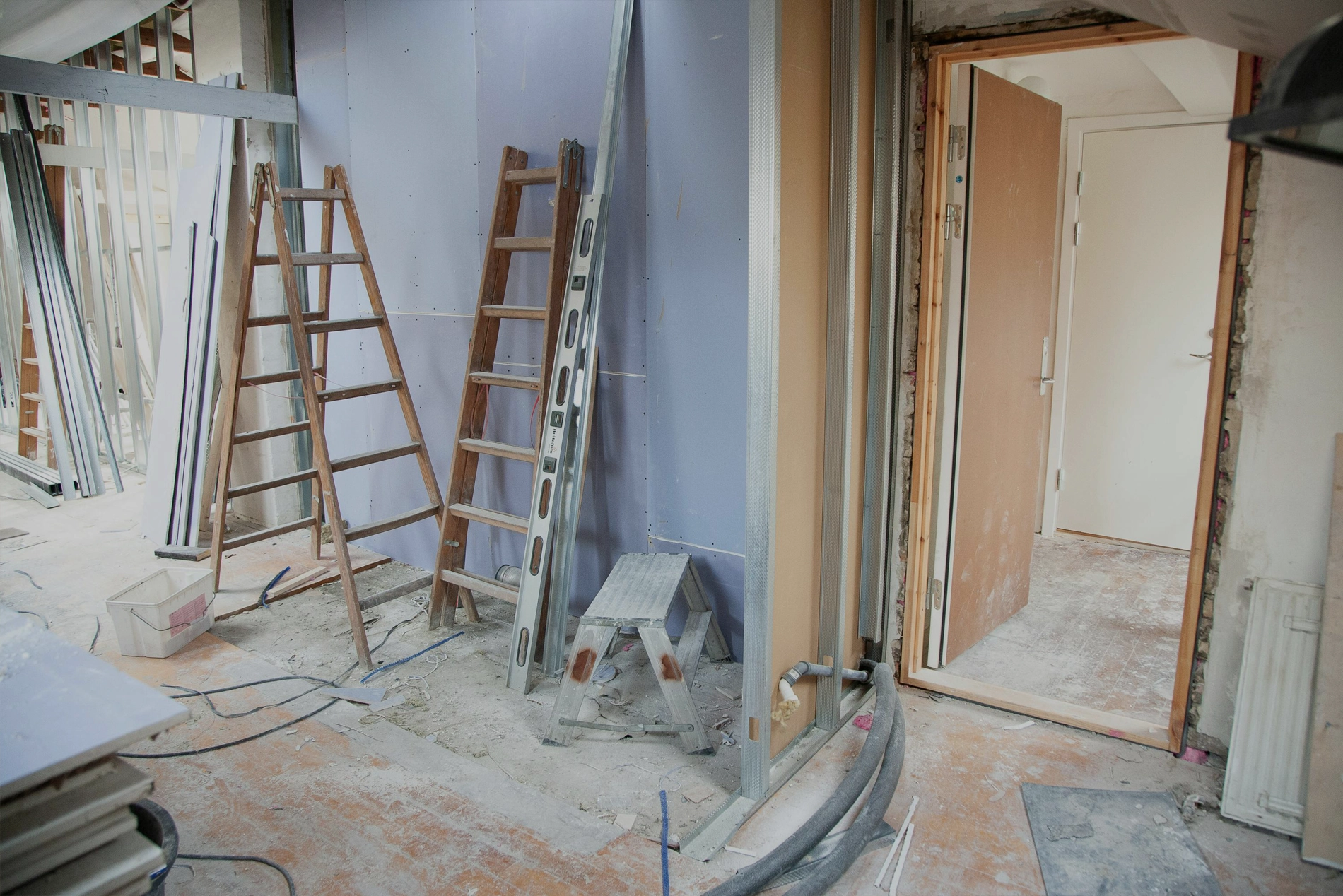
When you're getting ready to sell your home, it's tempting to start a list of renovations you think will boost the sale price. New kitchen? Finished basement? Maybe a bathroom overhaul? Before you start tearing out cabinets or calling contractors, it's worth understanding which improvements actually pay off and which ones end up costing more than they return.
I've worked with sellers who spent $40,000 on a basement renovation only to see it add $15,000 to their sale price. I've also seen others spend $3,000 on paint and minor updates that helped their home sell for $10,000 more than comparable listings. The difference comes down to knowing where your money has the most impact.
The Golden Rule: Don't Over-Improve for Your Neighbourhood
Before you spend a dollar on renovations, understand this. Your home's value has a ceiling, and that ceiling is set by your neighbourhood. If every home on your street sells between $350,000 and $400,000, installing a $50,000 kitchen isn't going to push your sale price to $450,000. Buyers shopping in that neighbourhood are budgeting for that price range, and they're typically not going to pay a premium that exceeds what the area supports.
The goal of pre-sale renovations isn't to build your dream home. It's to remove barriers that would cause buyers to make a lower offer or skip your listing entirely.
High-Impact, Low-Cost Updates
These are the improvements that consistently deliver the best return on investment. They're relatively affordable and make a noticeable difference in how buyers perceive your home.
Fresh Paint
This is the single best investment you can make before selling. A fresh coat of paint in neutral, modern colours makes every room feel cleaner, brighter, and more inviting. It covers scuff marks, outdated accent walls, and general wear and tear.
Stick to warm whites, soft greys, or light greiges. Avoid bold colours or anything too personal. You want buyers to see themselves in the space, not your style.
For an average-sized Winnipeg home, professional interior painting runs between $3,000 and $6,000. If you're handy and willing to do it yourself, you can cut that cost significantly!
Updated Light Fixtures
Dated brass fixtures and builder-grade lighting can make a home feel stuck in the past. Swapping out key fixtures in the kitchen, dining room, entryway, and bathrooms is a quick win. Modern fixtures in black, brushed nickel, or matte finishes cost $50 to $200 each and make a surprisingly big difference.
Kitchen Refreshes (Not Full Renovations)
A full kitchen renovation can cost $30,000 to $60,000 or more, and you'll rarely get that money back dollar for dollar. Instead, consider targeted updates:
- New hardware on existing cabinets ($200 to $500 for the whole kitchen)
- Painting or refacing cabinets ($2,000 to $5,000 vs. $15,000+ for new ones)
- Replacing a dated countertop with quartz or butcher block ($2,000 to $5,000)
- Upgrading the faucet and sink ($300 to $800)
- Adding a tile backsplash ($500 to $1,500)
These targeted updates can make a 20-year-old kitchen feel current without the cost of a full gut job.
Bathroom Updates
Like kitchens, bathrooms don't need to be completely rebuilt to look great. Focus on:
- Replacing an old vanity with a modern one ($500 to $1,500)
- New faucets and hardware ($100 to $300)
- Re-caulking the tub and shower
- Replacing a dated mirror ($100 to $300)
- Updating the toilet if it's visibly old ($250 to $400)
A fresh-looking bathroom signals to buyers that the home has been well maintained.
Flooring
Worn or damaged flooring is one of the first things buyers notice. If your carpet is stained, matted, or outdated, it's going to hurt your sale price. Consider replacing it with luxury vinyl plank (LVP), which runs $3 to $6 per square foot installed and holds up well. It's a cost-effective alternative to hardwood that looks great and is practical for Manitoba's climate.
If you have hardwood floors hiding under carpet, refinishing them can be a smart investment. Buyers love original hardwood.
Medium-Impact Improvements
These renovations cost more but can still deliver a reasonable return, especially if your home is noticeably behind the competition.
Finished Basements
In Winnipeg, a finished basement adds usable living space that buyers value, especially families. However, the return on investment varies widely. If you're finishing a raw basement from scratch, expect to spend $20,000 to $40,000 or more.
The key is to keep it simple and functional. Don't go overboard with custom built-ins or elaborate designs. A clean, dry, well-lit basement with a rec room and an extra bathroom will appeal to the broadest range of buyers.
If your basement is already finished but looks dated, cosmetic updates like new paint, flooring, and lighting can refresh it for much less.
Deck or Patio Addition
Outdoor living space is increasingly important to buyers. A well-built deck off the back of the house extends the living area and makes the backyard more functional during Winnipeg's warmer months. A basic pressure-treated deck runs $5,000 to $15,000 depending on size and complexity.
Window Replacement
Old, drafty windows are a turnoff for buyers, especially in Manitoba where heating costs matter. New windows improve energy efficiency, curb appeal, and comfort. The cost is significant, typically $8,000 to $20,000 for a whole house, but if your windows are visibly deteriorating or single-pane, this can be a worthwhile investment.
The Efficiency Manitoba occasionally offers rebates for energy-efficient upgrades, so check what's available before you start.
Curb Appeal: First Impressions Count
Buyers form an opinion about your home before they walk through the front door. Curb appeal doesn't have to cost a fortune, but it needs attention.
- Power wash the driveway, walkways, and siding
- Paint or replace the front door ($200 to $800)
- Add house numbers and a new mailbox ($50 to $150)
- Landscape the front yard with fresh mulch, trimmed shrubs, and seasonal plantings ($300 to $1,000)
- Repair any visible damage to steps, railings, or the driveway
These small investments make your home feel cared for and set the tone for the rest of the showing.
Renovations That Typically Don't Pay Off
Not every improvement adds value relative to what it costs. Here are some common money traps.
Swimming pools. In Winnipeg's climate, a pool is a liability for many buyers. It adds maintenance costs, limits yard space, and has a short usable season. You'll rarely recoup the installation cost, and some buyers will actively avoid homes with pools.
High-end luxury finishes. Marble countertops, custom cabinetry, and heated bathroom floors are nice to have, and doing these renovations for yourself if fine, but buyers aren't willing to pay a premium for them.
Converting a bedroom. Turning a bedroom into a home office, gym, or walk-in closet might suit your lifestyle, but it can reduce the bedroom count, which hurts resale. Buyers value bedrooms, especially families.
DIY work that looks like DIY work. If a renovation isn't done well, it can actually reduce your home's value. Crooked tile, uneven paint lines, or a poorly finished basement tell buyers there may be other corners cut throughout the home. If you're not confident in the quality, hire a professional.
Over-the-top landscaping. A beautiful yard helps sell a home, but a $30,000 landscaping project won't return anywhere near that amount. Keep it neat, clean, and attractive without going overboard.
How to Decide What's Worth It
Before spending money on any renovation, ask yourself these questions:
- Is this fixing a problem that would cause buyers to make a lower offer? If so, fix it.
- Is this bringing my home up to the standard of competing listings? If comparable homes have updated kitchens and yours doesn't, a refresh may be necessary.
- Am I spending more than I'd reasonably get back? If the renovation costs $20,000 but might add $10,000 to the sale price, it's probably not worth it.
- Will this appeal to a broad range of buyers? Personal taste projects rarely pay off. Neutral, widely appealing updates do.
Your REALTOR® can walk through your home and give you specific advice on what to fix, what to update, and what to leave alone. This is part of the listing preparation process and it's one of the most valuable things a good agent does. If you're preparing to sell your home, getting this guidance early can save you thousands.
The Bottom Line
Smart pre-sale renovations are about strategic spending, not maximum spending. Focus on the updates that remove objections, improve first impressions, and bring your home in line with the competition. Save the big-ticket dream renovations for your next home, where you'll actually get to enjoy them.

The rent vs. buy question comes up in almost every conversation I have with people who are thinking about getting into the housing market. And honestly, there's no one-size-fits-all answer. Your financial situation, your lifestyle, where you are in your career, and what the market looks like all play a role.
What I can tell you is that Winnipeg and the surrounding areas offer one of the more affordable housing markets in Canada, which makes the buy side of the equation more realistic here than in cities like Toronto or Vancouver. But that doesn't mean buying is always the right move.
Let's walk through the real considerations so you can figure out what makes sense for you.
The Monthly Cost Comparison
The first thing most people look at is the monthly payment, and that's a reasonable starting point. In Winnipeg, the average rent for a two-bedroom apartment has been climbing steadily and typically sits somewhere between $1,300 and $1,700 per month depending on the area and the building.
On the buying side, a $380,000 home with 5% down, a 25-year amortization, and a mortgage rate around 4.5% would give you a monthly mortgage payment of roughly $1,900 to $2,000. Add in property taxes ($250 to $400 per month depending on the home), insurance ($100 to $200 per month), and maintenance, and the total monthly cost of ownership could be $2,400 to $2,800 or more.
So on a pure monthly cash flow basis, renting is often cheaper. But that comparison misses some important things.
Building Equity vs. Paying Someone Else's Mortgage
Here's the part that changes the math over time. When you pay rent, that money is gone. Your landlord benefits, not you. When you make mortgage payments, a portion of every payment goes toward paying down your loan balance. That's your equity, and it grows over time.
In the early years of a mortgage, most of your payment goes toward interest. But as the years go on, more and more goes toward principal. After five years on a $360,000 mortgage at 4.5%, you'd have paid down roughly $35,000 to $40,000 in principal. That's money you've essentially saved through housing.
Add in any appreciation in the property's value (Winnipeg has seen moderate but steady growth over time), and owning can start to pull ahead of renting financially. The Canadian Real Estate Association tracks national and regional price trends if you want to see the numbers.
Of course, equity isn't liquid. You can't spend it at the grocery store. But it's there, building quietly in the background, and it matters when you eventually sell or refinance.
The Hidden Costs of Owning
Buying a home comes with costs that renters don't have to think about. As an owner, you're responsible for everything.
Maintenance and repairs are the big ones. The general rule of thumb is to budget about 1% to 2% of your home's value per year for maintenance. On a $400,000 home, that's $4,000 to $8,000 annually. Some years you'll spend less, other years a lot more (a new furnace or roof can cost $5,000 to $15,000).
Property taxes in Winnipeg vary by neighbourhood and assessed value but typically run $3,000 to $5,000 per year for a standard single-family home. You can check assessed values through the City of Winnipeg's online assessment tool.
Home insurance runs $1,200 to $2,500 per year. Utility costs are typically higher in a house than an apartment. And then there are the one-time closing costs when you buy, which can add up to $10,000 to $15,000 beyond your down payment. We have a full breakdown of buying costs if you want to see the numbers.
The Hidden Costs of Renting
Renting has its own costs that people sometimes overlook. The biggest one is rent increases. In Manitoba, landlords can increase rent once per 12 months by the provincial guideline amount, which has been trending upward. Over five or ten years, your rent could increase significantly.
You can check the current guideline on the Manitoba Residential Tenancies Branch website.
Renters also miss out on several tax advantages and government programs available to homeowners and first-time buyers. The First Home Savings Account (FHSA), the RRSP Home Buyers' Plan, and the First-Time Home Buyers' Tax Credit are all designed to make buying more affordable. The Government of Canada has details on all of these.
And there's the lifestyle side. Most rentals limit what you can do with the space. No major renovations, restrictions on pets, shared walls. For some people that's fine. For others, it's a dealbreaker.
When Buying Makes Sense
Buying tends to make more financial sense when you meet most of these criteria:
You plan to stay for at least 3 to 5 years. The transaction costs of buying and selling are significant. Between land transfer tax, legal fees, real estate commissions, and moving costs, you need time for your equity growth and appreciation to outweigh those expenses. If you might move in a year or two, renting is probably smarter.
You have a stable income. A mortgage is a long-term commitment. You need to be confident that you can make payments consistently, even if interest rates change when your term renews.
You have a down payment saved. The minimum in Canada is 5%, but having more reduces your mortgage insurance costs and your monthly payments. If you have savings in an FHSA or RRSP, those can go toward your down payment as well.
You want to build long-term wealth. Real estate has historically been one of the most reliable ways to build wealth in Canada. It's not a guaranteed return, and values can dip in the short term. But over 10, 15, 20 years, homeowners in Winnipeg have generally come out well ahead of where they started.
You're ready for the responsibility. Owning a home means dealing with repairs, maintenance, and the occasional unpleasant surprise. If the furnace breaks on a Saturday night in January, it's your problem to solve.
When Renting Makes Sense
Renting can be the better choice if:
You value flexibility. If you're early in your career, might relocate for work, or simply aren't sure where you want to settle, renting gives you the freedom to move without the financial hit of selling a home.
You're not financially ready. If you're carrying high-interest debt, don't have an emergency fund, or can't comfortably afford the full costs of ownership (not just the mortgage), it's better to wait.
You're saving toward a larger down payment. Waiting a year or two to save more can mean a lower mortgage balance, no CMHC insurance, and lower monthly payments. Sometimes patience pays off.
You prefer low maintenance. If you truly don't want to deal with home repairs, yard work, and all the responsibilities that come with ownership, renting offers a simpler lifestyle.
The Winnipeg Factor
What makes this conversation particularly interesting in Winnipeg is affordability. In many Canadian cities, the monthly cost of owning is dramatically higher than renting, which makes the financial case for buying much harder. Here, the gap is narrower.
A solid three-bedroom home in many parts of Winnipeg and surrounding areas like West St. Paul, Lorette, or Oakbank can still be purchased for $350,000 to $500,000. Compare that to average prices in the Greater Toronto Area or Metro Vancouver, and it's a completely different conversation.
That affordability means you can often get into a home with a manageable monthly payment that isn't wildly more expensive than what you'd pay in rent. And because Winnipeg isn't subject to the same extreme price swings that hit the country's most expensive markets, the investment tends to be relatively stable.
You can explore different communities around Winnipeg and Manitoba to get a sense of pricing in different areas.
Running Your Own Numbers
The best way to figure out whether buying or renting makes sense for you is to actually run the numbers with your real income, savings, and lifestyle in mind.
Start by talking to a mortgage broker. They can tell you exactly what you'd qualify for and what your payments would look like. Factor in all the ownership costs, not just the mortgage. Then compare that total to what you're paying in rent, keeping in mind that rent will increase over time while a fixed-rate mortgage payment stays the same for the length of your term.
The CMHC mortgage calculator is a helpful tool for running different scenarios.
There's No Wrong Answer
Both renting and buying can be the right choice depending on your circumstances. What matters is making the decision based on real numbers and honest self-assessment, not pressure from friends, family, or social media.
If you're leaning toward buying and want to explore what's available in your budget, browse our current listings or reach out to us and we can talk through your options. And if the answer is "not yet," that's perfectly fine too. The market will be here when you're ready.
.webp)
If you ask long-time Winnipeg residents which neighbourhood has the most character, River Heights comes up almost every time. It's one of those areas that people move into and rarely leave. And when they do sell, their homes don't sit on the market for long.
I've worked with buyers who started their search in newer subdivisions, toured a few open houses in River Heights, and completely changed their plans. There's something about walking under a canopy of mature elms on a quiet street that's hard to replicate in a brand-new development.
So what makes River Heights so appealing? Let's break it down.
Location That's Hard to Beat
River Heights sits just south of the Assiniboine River, roughly between Pembina Highway to the east and Charleswood to the west. It's close to everything. Downtown is a short drive or bus ride away. Corydon Avenue and Academy Road provide walkable shopping, dining, and coffee shops right in the neighbourhood.
If you work downtown or at the Health Sciences Centre, your commute is minimal. If you're heading to the University of Manitoba, Pembina Highway runs straight south. For families, proximity to the Forks and Assiniboine Park means weekend activities are always close by.
The Assiniboine Park Conservancy manages one of the largest urban parks in Canada, and it's practically in River Heights' backyard. The zoo, the English Garden, the Leo Mol Sculpture Garden, and kilometres of trails along the river are all within reach without getting in a car.
The Homes: Character and Variety
River Heights is known for its character homes. You'll find a mix of stately two-storey homes built in the early 1900s, wartime bungalows from the 1940s, mid-century designs, and some newer infills that blend modern features with the neighbourhood's established feel.
Many of the older homes have been lovingly maintained or renovated over the decades. Hardwood floors, built-in cabinetry, original woodwork, and large lots are common. The trade-off? Older homes may need updates to electrical, plumbing, or insulation. That's standard for any mature neighbourhood, and it's something a good home inspector will help you evaluate.
Lot sizes in River Heights tend to be generous compared to what you'll find in newer areas of the city. Backyards with mature trees, detached garages, and established gardens are the norm rather than the exception.
For buyers looking for something move-in ready, renovated character homes and newer infills pop up regularly. Price points vary quite a bit depending on the specific block and the condition of the home, which actually means there are options across different budgets.
You can browse current River Heights listings on our community page to see what's available right now.
Schools and Family Life
Families are drawn to River Heights for good reason. The neighbourhood falls within the Winnipeg School Division, which operates several well-regarded schools in and around the area.
Some of the elementary schools serving River Heights include Queenston School, Rockwood School, and Earl Grey School. Robert H. Smith School offers a French immersion program. For older students, Kelvin High School and Grant Park High School are the main options, both with strong reputations and active extracurricular programs.
Beyond school, River Heights is a neighbourhood where kids still play outside. You'll see families biking along the river paths, walking to the local parks, and gathering at the community centres. The Crescentwood Community Centre and River Heights Community Centre both run programs year-round for kids and adults.
River Heights also has a strong sense of community identity. Residents tend to be engaged, whether that's through the community associations, local events, or simply knowing their neighbours. It's the kind of area where you wave to people on your morning walk.
Walking, Biking, and Getting Around
One of River Heights' biggest draws is walkability. Depending on where you are in the neighbourhood, you can walk to grocery stores, restaurants, boutiques, schools, and parks. That's something many Winnipeg neighbourhoods simply can't offer.
Academy Road is a charming stretch of local shops, bakeries, and restaurants that feels more like a small-town main street than a city strip. Corydon Avenue offers a similar vibe with a wider variety of dining options, patios in summer, and a lively atmosphere.
For cyclists, the dedicated paths along the Assiniboine River connect River Heights to Wolseley, Osborne Village, and downtown. Winnipeg's active transportation network continues to expand, and River Heights is well-positioned within it.
Public transit access is solid too. Several bus routes run through the neighbourhood, and the Pembina Highway corridor provides frequent service south to the University of Manitoba and north to downtown.
What Does It Cost to Live in River Heights?
River Heights is not the cheapest neighbourhood in Winnipeg. Let's be upfront about that. It commands a premium because of its location, mature streetscape, and consistent demand.
As of recent market activity, you can expect to see single-family homes listed anywhere from the mid-$300,000s for a smaller bungalow needing work, up to $800,000 or more for a fully renovated larger home or a modern infill. The sweet spot for many buyers tends to fall in the $450,000 to $650,000 range for a well-maintained three-bedroom home.
Condos and duplexes in the area can offer a more affordable entry point, often starting in the $200,000s. These can be a smart option for first-time buyers who want the River Heights lifestyle without the full cost of a detached home.
Property taxes in River Heights are based on the assessed value of the home, which tends to be higher here than in newer suburban areas. The City of Winnipeg provides a property tax calculator if you want to estimate costs for a specific property.
River Heights North vs. South: Is There a Difference?
You'll sometimes hear people distinguish between River Heights North (closer to the river) and the southern portion of the neighbourhood. There are subtle differences worth knowing about.
The blocks closest to the Assiniboine River, particularly around Wellington Crescent, feature some of Winnipeg's most prestigious homes. These are large, historic properties on oversized lots, and they carry price tags to match. It's a beautiful area to walk through even if it's outside your budget.
As you move further south toward Grant Avenue and Corydon, the homes become more varied in size and price. This is where you'll find more of the approachable options, including bungalows, side-by-sides, and smaller two-storey homes. The southern portion also puts you closer to the shops on Corydon and Grant Park Shopping Centre.
Both areas share the same tree-lined streets and neighbourhood feel. The difference is mostly about home size, lot size, and price.
Things to Consider Before Buying
River Heights isn't for everyone, and that's fine. Here are a few things to think about honestly before committing.
Parking can be tight. Many older homes have single-car garages or no garage at all. Street parking in winter means navigating snow routes and alternate-side parking bans. If you have multiple vehicles, check what the parking situation looks like on the specific block you're considering.
Renovations on older homes add up. A beautiful character home might need a new roof, updated wiring, or foundation repairs. Always budget for a thorough home inspection and be prepared for the possibility of unexpected costs. That said, most buyers who invest in these homes find the character and location more than worth it.
Bidding wars happen. Desirable River Heights listings, especially well-priced ones, can attract multiple offers. If you're planning to buy here, get your financing lined up in advance and be prepared to move quickly. I've helped buyers navigate competitive situations in this neighbourhood more than once, and preparation makes all the difference.
Flooding risk is generally low, but check. River Heights sits on relatively high ground compared to some riverside areas. However, overland flooding from heavy rain can affect basements in older homes with aging drainage systems. Ask about weeping tile and sump pump status during your inspection.
Who Thrives in River Heights?
River Heights attracts a wide range of buyers. Young professionals love the walkability and proximity to downtown. Families appreciate the schools, parks, and community feel. Downsizers from the suburbs who want more convenience and less yard to maintain find condos and smaller homes that fit their needs.
It's also popular with people relocating to Winnipeg from other cities. When buyers from Toronto, Vancouver, or Calgary see what their money can buy in River Heights, they're often pleasantly surprised. A renovated character home here costs a fraction of what a comparable property would run in those markets.
If you value mature trees, established neighbourhoods, and being able to walk to a good restaurant on a Friday night, River Heights is worth serious consideration.
The Bottom Line
River Heights has stayed popular for over a century because it delivers on the things that matter most to homeowners: great location, strong schools, beautiful streets, and a real sense of community. It's not the newest neighbourhood in the city, and it's not the cheapest. But for buyers who value character and convenience, it consistently ranks among the most rewarding places to call home in Winnipeg.
If you'd like to explore what's currently listed in River Heights, check out our community page or get in touch with our team to set up a personalized search.
Photo by StraussNoah via Wikimedia Commons, modified from original, licensed under CC BY-SA 4.0. https://commons.wikimedia.org/wiki/File:Dji_fly_20240827_162602_267_1724794064509_photo_optimized.jpg
Pricing your home correctly is the single most important decision you'll make when selling. Set the price too high and your listing sits on the market while buyers scroll right past it. Price it too low and you leave money on the table. Getting it right from day one is what separates a smooth sale from a frustrating one.
I've helped homeowners across Winnipeg and the surrounding areas navigate this process, and the ones who approach pricing strategically almost always come out ahead. Here's how to do it properly.
Why the Right Price Matters More Than You Think
There's a common belief that you can always list high and just lower the price later if it doesn't sell. In theory, that sounds reasonable. In practice, it's one of the most expensive mistakes a seller can make.
When your home first hits the market, it gets the most attention from buyers and agents during the first two weeks. That's your window of peak visibility. If your price is too high during that window, serious buyers skip over your listing in favour of homes that are priced competitively. By the time you reduce the price, those buyers have often already made offers elsewhere.
There's also a psychological factor at play. When a listing has been on the market for a long time or shows price reductions, buyers start wondering what's wrong with it. They assume there must be a problem, even if the only issue was the original price. This can actually result in selling for less than you would have if you'd priced it correctly from the start.
Start With a Comparative Market Analysis
The foundation of any good pricing strategy is a Comparative Market Analysis, commonly called a CMA. This is a detailed look at what similar homes in your area have recently sold for, what's currently on the market, and what listed but didn't sell.
A CMA considers factors like:
- Recent sold prices for homes similar to yours in size, age, condition, and location
- Active listings you'll be competing against
- Expired or withdrawn listings that didn't sell (often because they were overpriced)
- Days on market for comparable sales, which tells you how quickly homes are moving
- Price per square foot trends in your neighbourhood
Your REALTOR® should prepare a thorough CMA for you as part of the listing process. The data comes from the Winnipeg Regional Real Estate Board (WRREB), which tracks all MLS® sales in the region. This isn't guesswork. It's based on actual transaction data.
If you'd like to get a starting estimate of your home's value, you can request a free home evaluation to see where you stand.
Understand What Buyers Are Actually Comparing
One thing sellers sometimes overlook is that buyers don't care what you paid for your home, how much you spent on renovations, or what you "need" to get out of it. Buyers compare your home against everything else on the market in their price range.
If you've listed your 1,200 square foot bungalow in St. James at $380,000 but there's a similar bungalow two streets over listed at $355,000, most buyers are going to tour the cheaper one first. And if that home is in comparable condition, they're going to make an offer on it, not yours.
This is why your REALTOR® needs to look beyond just your home's features. They need to understand the competitive landscape in your specific neighbourhood and price bracket.
Factors That Affect Your Home's Value
While the CMA gives you the data, there are several factors that influence where your home falls within the range of comparable sales.
Location within the neighbourhood. Even within the same community, location matters. Backing onto a park, being on a quiet crescent, or sitting on a busy through-street all affect value. Proximity to schools, shopping, and transit also plays a role.
Condition and updates. A home with a newer roof, updated kitchen, and modern flooring will command a higher price than one that needs work. Buyers are willing to pay more for a home they can move into without major projects.
Lot size and features. A larger lot, a double garage, or a finished basement all add value. In Winnipeg, a heated and insulated garage is a significant selling point during the colder months.
Market timing. The same home can sell for different prices depending on the season and overall market conditions. Spring and early summer tend to see more buyer activity in Winnipeg, while winter has less competition but also fewer buyers.
Current interest rates. When rates are low, buyers can afford higher purchase prices with the same monthly payment. When rates rise, purchasing power drops and prices may soften. Keep an eye on the Bank of Canada's policy rate for an idea of where the market is heading.
Common Pricing Strategies
There are a few different approaches to pricing, and the right one depends on your situation, your home, and the current market.
Pricing at market value. This is the most straightforward approach. You look at comparable sales, assess your home's condition relative to those, and price accordingly. It's low risk and tends to attract the right buyers from the start.
Pricing slightly below market value. This strategy can generate more interest and potentially spark multiple offers. In a seller's market where inventory is low, this approach can drive the final sale price above what you would have listed at. It does carry some risk, though, so it's important to discuss this with your REALTOR® before going this route.
Pricing above market value. Sometimes sellers want to "test the market" at a higher price with the plan to reduce later. As I mentioned earlier, this approach usually backfires. The exceptions are truly unique properties with few comparables, where the market may need time to find the right buyer.
The Psychology of Price Points
How you set the actual number matters more than you might think. Buyers search on the MLS® using price brackets. If a buyer is searching for homes between $350,000 and $400,000, a home listed at $405,000 won't show up in their results.
This is why you'll often see homes listed at $399,900 instead of $405,000. It's not just about the optics. It's about making sure your home appears in the right search results for the maximum number of buyers.
Your REALTOR® can help you identify the key price thresholds in your bracket and make sure your listing falls on the right side of them.
Don't Rely on Online Estimators Alone
There are several websites that offer automated home value estimates. While these can give you a rough ballpark, they're often inaccurate for the Winnipeg market. They don't account for your home's condition, specific upgrades, lot features, or how it compares to current competition.
I've seen automated estimates miss by $30,000 or more, in both directions. Use them as a starting point if you're curious, but don't base your pricing strategy on them. A local REALTOR® who knows the Winnipeg market and has actually walked through your home will give you a far more accurate picture.
What If You're Selling in a Buyer's Market vs. a Seller's Market?
Market conditions play a big role in your pricing strategy.
In a seller's market (low inventory, high demand), you have more leverage. Homes sell quickly, often with multiple offers, and you may be able to price at or slightly above recent comparable sales. Even so, dramatic overpricing still hurts you.
In a buyer's market (high inventory, fewer buyers), you need to be more competitive. Pricing at or slightly below comparable sales helps your listing stand out. Buyers have more choices and more negotiating power, so an overpriced home will simply be ignored.
In a balanced market, pricing at market value based on your CMA is usually the best approach. Homes sell at a reasonable pace, and buyers and sellers have roughly equal negotiating power.
You can get a sense of current market conditions by reviewing the monthly statistics published by the Winnipeg Regional Real Estate Board.
Adjusting Your Price After Listing
Sometimes, despite your best efforts, the market tells you your price is too high. If your home has been on the market for three to four weeks with regular showings but no offers, the price is likely the issue.
When you do a price reduction, make it meaningful. Dropping $2,000 on a $400,000 listing isn't going to change anything. A reduction needs to move your home into a new price bracket or significantly change its position relative to competing listings.
The best approach is to avoid needing a reduction in the first place by pricing correctly from day one. But if you do need to adjust, do it early and do it decisively.
Work With Someone Who Knows the Local Market
Pricing a home in Winnipeg is different from pricing one in Toronto or Vancouver. Our market has its own dynamics, its own seasonal patterns, and its own buyer expectations. The neighbourhoods here have distinct characteristics that affect value in ways that a national algorithm can't capture.
Whether you're in Charleswood, Transcona, or anywhere else in the Winnipeg area, having someone who understands local pricing trends makes a real difference. If you're thinking about selling and want to know where your home sits in today's market, a free home evaluation is a good place to start.
If you're saving for your first home in Manitoba, the First Home Savings Account (FHSA) is one of the most powerful tools available to you right now. It combines the best features of an RRSP and a TFSA into a single account built specifically for first-time buyers.
I've helped buyers in Winnipeg and surrounding areas put this program to work, and the ones who start early get the biggest advantage. Here's everything you need to know about how the FHSA works, who qualifies, and how to make the most of it.
What Is the FHSA?
The First Home Savings Account is a registered savings account introduced by the Government of Canada in 2023. It lets you save up to $40,000 toward your first home purchase, with two major tax benefits:
- Your contributions are tax-deductible. Just like an RRSP, the money you put in reduces your taxable income for the year.
- Your withdrawals are tax-free. Just like a TFSA, you don't pay any tax when you take the money out to buy a qualifying home.
That double benefit is what makes it so valuable. You get a tax break going in and you pay nothing coming out.
You can learn more on the official Government of Canada FHSA page.
Who Qualifies to Open an FHSA?
To open an FHSA, you need to meet all of the following:
- You are a Canadian resident
- You are at least 18 years old (or the age of majority in your province)
- You are a first-time home buyer, meaning you did not own a home that you lived in as your principal residence at any time in the year the account is opened or the four preceding calendar years
If you owned a rental property but never lived in it as your principal place of residence, you may still qualify. However, if you previously owned and lived in a home, you would not be eligible even if you sold it years ago, unless you meet the four-year rule above.
How Much Can You Contribute?
The FHSA has clear annual and lifetime limits:
- Annual contribution limit: $8,000 per year
- Lifetime contribution limit: $40,000
- Carry-forward room: If you don't max out your $8,000 in a given year, you can carry forward up to $8,000 of unused room to the following year. That means in a single year, the most you could contribute is $16,000 (your current year's $8,000 plus $8,000 of carried-forward room).
One important detail: there is no carry-forward room for the year you open the account. So if you open an FHSA in November and only contribute $2,000 before December 31, you can't carry the remaining $6,000 forward. That's a strong reason to open the account as early as possible, even if you can only put in a small amount at first.
What Can You Hold Inside an FHSA?
Your FHSA isn't just a savings account. You can hold a variety of investments inside it, just like an RRSP or TFSA:
- Cash and savings deposits
- Guaranteed Investment Certificates (GICs)
- Mutual funds
- Exchange-traded funds (ETFs)
- Stocks and bonds
If you're planning to buy within a year or two, something low-risk like a high-interest savings account or a GIC makes sense. If your timeline is longer, you might consider a balanced portfolio of ETFs to potentially grow your savings faster. Talk to your financial institution about what works for your timeline and comfort level.
How Do FHSA Withdrawals Work?
When you're ready to buy, you can make a "qualifying withdrawal" from your FHSA. To qualify, you must:
- Be a first-time home buyer at the time of the withdrawal
- Have a written agreement to buy or build a qualifying home
- Intend to occupy the home as your principal place of residence within one year of buying or building it
- Be a Canadian resident from the time of the withdrawal until the home is acquired
The home must be located in Canada, so this works perfectly for buying in Winnipeg, Selkirk, Steinbach, Portage la Prairie, or anywhere else in Manitoba.
Unlike the RRSP Home Buyers' Plan, you do not need to repay the money you withdraw from your FHSA. It's yours, free and clear, with no repayment schedule.
FHSA vs. RRSP Home Buyers' Plan: What's the Difference?
This is one of the most common questions I get from first-time buyers. Here's a straightforward comparison:
FHSA:
- Contribute up to $40,000 lifetime
- Contributions are tax-deductible
- Withdrawals are completely tax-free
- No repayment required
- Account must be closed within 15 years of opening or by age 71
RRSP Home Buyers' Plan (HBP):
- Withdraw up to $60,000 from your existing RRSP
- Original RRSP contributions were tax-deductible
- Withdrawals are tax-free only if you repay within 15 years
- You must repay 1/15th of the amount each year, starting the second year after withdrawal
- If you miss a repayment, that year's portion becomes taxable income
The biggest practical difference is the repayment. With the FHSA, you take the money and that's it. With the HBP, you're borrowing from your own retirement savings and you have to put it back.
Can You Use Both the FHSA and the HBP?
Yes. This is a big deal and not enough people know about it. You can use both programs for the same home purchase. That means you could potentially access up to $100,000 in tax-advantaged funds between the two:
- $40,000 from your FHSA (no repayment)
- $60,000 from your RRSP through the HBP (must repay over 15 years)
For a couple buying together who are both first-time buyers, you could combine both partners' FHSAs and HBPs. That's serious purchasing power, especially in the Manitoba market where home prices remain more affordable than in many other Canadian cities.
What Happens If You Don't End Up Buying a Home?
Life changes. If you open an FHSA and decide not to buy, here are your options:
- Transfer to your RRSP or RRIF. You can move the funds without affecting your RRSP contribution room. This is a great fallback because you already got the tax deduction when you contributed.
- Make a taxable withdrawal. You can take the money out, but the withdrawal amount will be added to your taxable income for that year.
- Close the account. The FHSA must be closed by December 31 of the year that is 15 years after you opened it, or by December 31 of the year you turn 71, whichever comes first.
Even if you're not 100% sure you'll buy a home, opening an FHSA can still make sense. The tax deduction on contributions is valuable on its own, and the ability to transfer to an RRSP later means you don't lose out.
Tips for Manitoba Buyers Using the FHSA
Open the account now, even if you can only contribute a small amount. Your annual contribution room starts the year you open the account. Every year you wait is $8,000 in room you can never get back. Even putting in $100 to open the account gets the clock started.
Use it alongside your other savings. The FHSA is great, but $40,000 alone won't cover your full down payment and closing costs on most homes. Remember that closing costs in Manitoba typically run 1.5% to 3% of the purchase price. Budget for land transfer tax, lawyer fees, home inspection, and moving costs on top of your down payment.
Talk to your accountant or financial advisor. The tax deduction on FHSA contributions works the same way as RRSP deductions. If you're in a lower tax bracket now but expect your income to rise, you might want to contribute to the FHSA but delay claiming the deduction until a higher-income year.
Keep your timeline realistic. If you're hoping to buy in the next year or two, the FHSA won't have time to accumulate much. It's most powerful for people with a 3 to 5 year timeline who can maximize contributions. In the short term, the RRSP Home Buyers' Plan might be more useful if you already have RRSP savings.
How the FHSA Fits Into the Manitoba Market
Winnipeg and the surrounding areas continue to offer some of the most affordable housing in Canada for a major metro region. The average home price here remains well below the national average, which means the FHSA's $40,000 contribution limit goes further here than it would in Toronto or Vancouver.
For a home in the $300,000 to $400,000 range, a fully maxed-out FHSA covers roughly 10% to 13% of the purchase price. Combine that with the HBP and you could have your entire down payment covered through tax-advantaged programs.
If you're just starting to think about buying your first home in Manitoba, the FHSA should be at the top of your list. Open one, start contributing, and when you're ready to buy, you'll be glad you did.
For more information on buying your first home in this market, check out our first-time homebuyer guide for Winnipeg or reach out to our team with questions about timing your purchase.

If you're thinking about buying a home in Winnipeg or the surrounding areas, the purchase price on MLS is only part of the picture. Between the down payment, closing costs, legal fees, land transfer tax, and a handful of other expenses, the true cost of buying a home is always more than what you see on the listing.
I've worked with plenty of buyers who were surprised to learn about all the additional costs beyond the purchase price. The good news is that none of this is a mystery. Once you know what to expect, you can plan your budget properly and avoid any last-minute surprises.
Here's a full breakdown of what it actually costs to buy a home in Winnipeg in 2026.
The Down Payment
Your down payment is the single biggest upfront cost, and how much you need depends on the purchase price of the home.
In Canada, the minimum down payment rules are set by the federal government:
- 5% on the first $500,000 of the purchase price
- 10% on the portion between $500,000 and $1,499,999
- 20% on homes priced at $1,500,000 or more
For a typical Winnipeg home in the $350,000 to $450,000 range, you're looking at a minimum down payment of $17,500 to $22,500. Of course, putting more down means lower monthly mortgage payments and less interest over the life of the loan.
If your down payment is less than 20%, you'll also need to pay for mortgage default insurance (commonly called CMHC insurance, though other providers like Sagen and Canada Guaranty also offer it). This insurance protects the lender, not you, and gets added to your mortgage balance. It typically costs between 2.8% and 4% of the mortgage amount, depending on the size of your down payment.
You can estimate your insurance premium using the calculator on the CMHC website.
For example, on a $400,000 home with 5% down ($20,000), your mortgage would be $380,000. The default insurance premium at 4% would add $15,200 to your mortgage, bringing the total to $395,200.
Land Transfer Tax
Manitoba charges a land transfer tax when you purchase a property, and it's calculated on a sliding scale based on the property's fair market value. This is sometimes called the "property transfer tax" and it's paid at the time of closing through your lawyer.
Here's how it's calculated:
- 0% on the first $30,000
- 0.5% on $30,001 to $90,000
- 1.0% on $90,001 to $150,000
- 1.5% on $150,001 to $200,000
- 2.0% on amounts over $200,000
On a $400,000 home, the land transfer tax works out to approximately $5,650. On a $300,000 home, it's around $3,650.
You can find more details on how this is calculated through the Manitoba Land Titles Office.
Important note for first-time buyers: Manitoba does not currently offer a land transfer tax rebate for first-time buyers the way some other provinces do. You'll pay the full amount regardless of whether it's your first home or your fifth.
Legal Fees
You'll need a real estate lawyer to handle the closing of your transaction. Your lawyer takes care of the title search, registers the mortgage, handles the transfer of funds, and makes sure the legal side of things is airtight.
Expect to pay somewhere between $1,200 and $2,000 for legal fees, including disbursements. Disbursements are the out-of-pocket expenses your lawyer incurs on your behalf, things like title searches, registration fees, and courier charges.
Some lawyers charge a flat fee for a standard residential purchase while others bill by the hour. Either way, it's a good idea to get a quote in advance so you know what to expect.
Title Insurance
Most buyers opt for title insurance rather than a traditional title search with a real property report. Title insurance protects you against issues like title fraud, survey errors, liens that weren't disclosed, zoning violations, and other defects that might not show up in a standard search.
Title insurance typically costs between $250 and $750 as a one-time premium. It's a relatively small expense that provides a lot of protection over the long term.
Home Inspection
A professional home inspection is one of the smartest investments you can make during the buying process. A qualified inspector will go through the property top to bottom, checking the foundation, roof, electrical, plumbing, HVAC systems, insulation, and more.
In Winnipeg, a standard home inspection typically costs between $400 and $650, depending on the size and age of the property. Older homes and larger properties tend to cost a bit more.
Property Appraisal
Your mortgage lender may require a property appraisal to confirm that the home is worth what you're paying for it. An appraisal typically costs between $300 and $500.
In some cases, particularly with insured mortgages (where you put less than 20% down), the lender or insurer may waive the appraisal or use an automated valuation tool instead. Your mortgage broker can tell you whether an appraisal will be required in your situation.
Home Insurance
Your lender will require you to have home insurance in place before closing. The cost of home insurance in Winnipeg varies based on the age of the home, its size, location, the type of coverage you choose, and other factors.
A typical homeowner in Winnipeg can expect to pay somewhere between $1,200 and $2,500 per year for home insurance. You'll usually need to pay the first year's premium upfront or at least have proof of coverage arranged before your closing date.
Property Tax Adjustments
When you buy a home, you may owe the seller a property tax adjustment at closing. Here's how it works. If the seller has already paid the property taxes for the full year and you take possession partway through the year, you'll reimburse the seller for the portion of the year that you'll own the home.
The amount depends on when you close and the property's annual tax bill. In Winnipeg, the average residential property tax bill in 2026 is roughly $3,000 to $5,000 depending on the assessed value and the neighbourhood.
You can look up property assessments through the City of Winnipeg assessment portal.
Moving Costs
This one's easy to forget when you're focused on the big numbers, but moving costs can add up. If you hire professional movers in Winnipeg, expect to spend between $500 and $2,000 depending on how much you're moving and the distance.
If you're moving within the city, a local move with two movers and a truck might run $500 to $1,000. A larger home or a move from outside the city will cost more.
Utility Hookups and Adjustments
You'll need to set up or transfer utilities when you move into your new home. In Winnipeg, that includes:
- Manitoba Hydro for electricity and natural gas
- City of Winnipeg for water and sewer
- Internet, cable, and phone through your preferred provider
There may be small deposits or setup fees depending on the provider and your account history. Manitoba Hydro makes it easy to transfer or start service online.
The Total Picture
Let's pull it all together with a real-world example. Say you're buying a $400,000 home in Winnipeg with the minimum 5% down payment.
- Down payment (5%) — $20,000
- CMHC insurance (added to mortgage) — $15,200
- Land transfer tax — $5,650
- Legal fees — $1,500
- Title insurance — $350
- Home inspection — $500
- Property appraisal — $400
- Home insurance (first year) — $1,800
- Property tax adjustment — $1,500 (varies)
- Moving costs — $1,000
Total upfront cash needed: Approx. $32,700
That's separate from the CMHC insurance, which gets rolled into your mortgage. The key takeaway is that beyond your $20,000 down payment, you should budget roughly $12,000 to $15,000 for all the additional costs.
How to Reduce Your Upfront Costs
There are a few programs that can help offset these costs, especially if you're a first-time buyer.
The First Home Savings Account (FHSA) lets you save up to $40,000 tax-free toward your first home purchase. The RRSP Home Buyers' Plan lets you withdraw up to $60,000 from your RRSP tax-free for a down payment. And the First-Time Home Buyers' Tax Credit provides a $1,500 non-refundable credit to help with closing costs.
You can learn more about these programs through the Government of Canada's home buying page.
If you're curious about what's on the market right now, you can browse our current listings across Winnipeg and surrounding areas or complete our Custom Search criteria form so we can enable a full MLS® search Portal for you to access and view all available listings.
Plan Ahead and You'll Be Fine
The costs of buying a home in Winnipeg are real, but they're also predictable. When you know what's coming, you can save accordingly and avoid scrambling at the last minute. Work with your mortgage broker to understand your numbers, set aside a buffer for unexpected expenses, and you'll walk into closing day feeling prepared instead of stressed.
If you have questions about buying costs or want to talk through the numbers for your specific situation, the Andrew St. Hilaire Team is always happy to help.
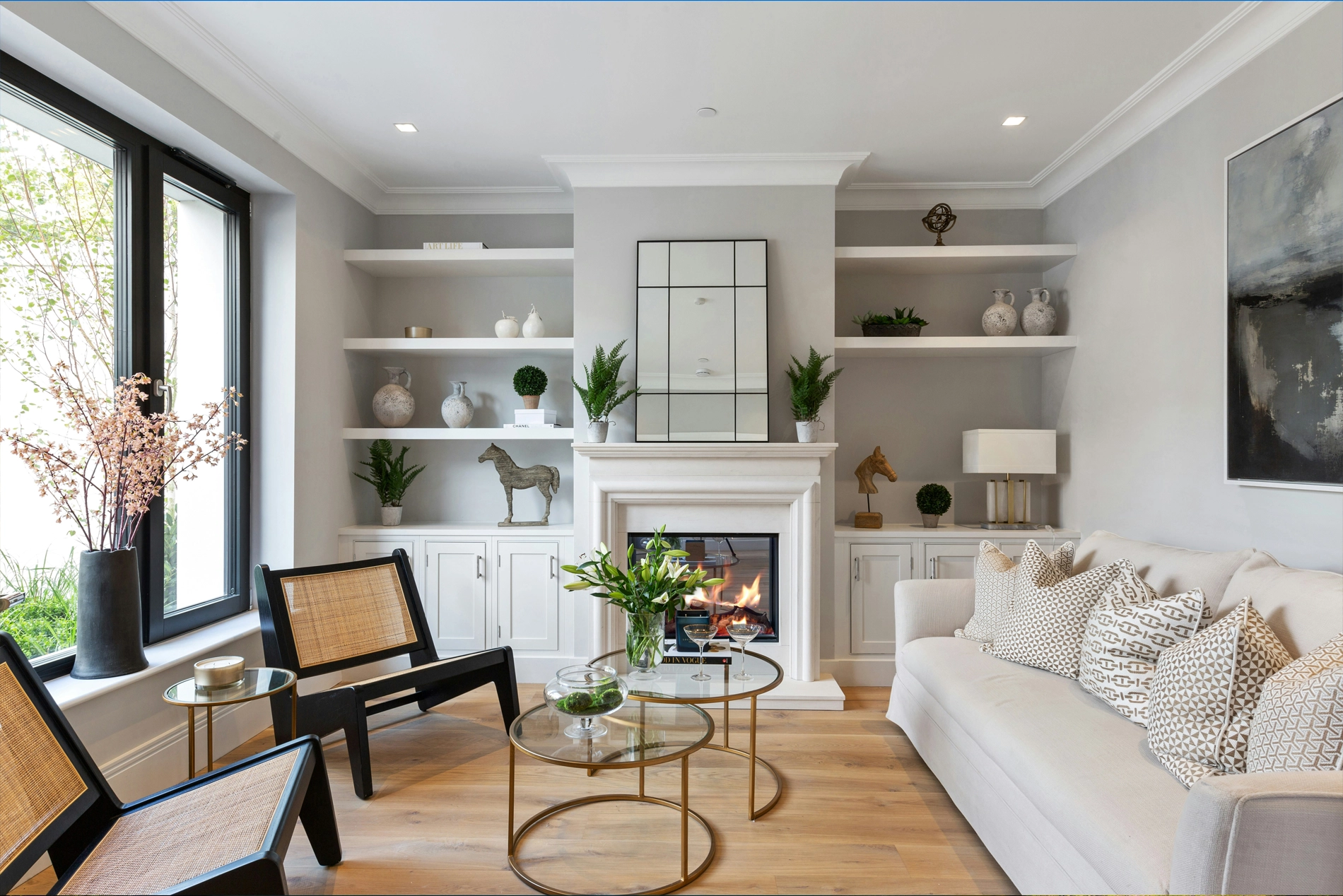
Selling your home involves more than sticking a sign on the lawn and hoping for the best. Whether you're upsizing, downsizing, relocating, or just ready for a change, the decisions you make before listing will directly affect how quickly your home sells and what you get for it.
I've been through this process many times with sellers in Winnipeg and the surrounding areas, and there are some things that consistently make a difference. Here's what I'd want you to know if you were sitting across from me at the kitchen table.
Timing Matters, But Not as Much as You Think
The spring market typically sees the most activity. More buyers are out looking, days are longer for showings, and homes generally show better when the snow is gone and the yard is green. But that doesn't mean you should wait if your circumstances say otherwise.
The reality is that well-priced, well-presented homes sell in any season. I've seen homes sell in January with multiple offers because the seller prepared properly and the listing stood out. There are actually fewer competing listings in the winter months, which can work in your favour.
The worst reason to pick a time to sell is because someone told you "spring is best." The best time to sell is when you're ready and the home is prepared.
Pricing Gets You or Loses You Buyers
This is where many sellers struggle. Your home has emotional value to you. The kitchen you renovated, the backyard where your kids grew up. But buyers don't see that. They see a property compared to other options on the market.
Overpricing your home is the most common mistake sellers make. A home priced too high sits on the market, accumulates days, and eventually sells for less than it would have if it had been priced correctly from the start. Buyers look at days on market as a signal. A listing that's been sitting for weeks raises questions.
A Comparative Market Analysis (CMA) from your agent will show you what similar homes in your area have actually sold for, not what they were listed at, but what buyers actually paid. That's the data point that matters.
The Winnipeg Regional Real Estate Board publishes monthly market statistics that can give you a general sense of where the market stands, but your agent's CMA will be specific to your neighbourhood, property type, and condition.
Preparing Your Home Pays Off
You don't need to renovate your entire house before listing. But you do need to present it well. Buyers make snap judgements, and the first impression, both online and in person, sets the tone for everything that follows.
The basics go a long way:
- Declutter ruthlessly. Pack away personal items, excess furniture, and anything that makes rooms feel smaller than they are. If you can't see the floor or the countertops, there's too much stuff.
- Deep clean everything. Hire a professional cleaning service if you can. Baseboards, windows, grout, light fixtures. The details matter. (if you have a dog, consider NOT steam cleaning your rugs and carpets but only vacuuming thoroughly since steam cleaning can actually cause an issue with unwanted smells being enhanced)
- Fix the small things. Leaky faucets, chipped paint, sticky doors, burnt-out light bulbs. These are cheap fixes that send a message about how well the home has been maintained.
- Curb appeal counts. Mow the lawn, trim the hedges, clean the front entry. If it's winter, make sure paths are cleared and the front of the house looks inviting.
Professional staging is worth considering, especially for vacant homes or spaces that are difficult to visualize. A good stager can make a room feel larger, brighter, and more inviting, and the cost is often recovered many times over in the sale price.
Professional Photography is Not Optional
The majority of buyers start their home search online. If your listing photos are dark, blurry, or taken with a phone, you're losing potential buyers before they even consider booking a showing.
Professional real estate photography, including wide-angle interior shots, proper lighting, and possibly drone footage for larger properties, should be a standard part of your listing strategy. Some agents include this in their services, others don't. Ask about it up front.
The listing photos are your home's first showing. Make them count.
Understand the Costs of Selling
Selling isn't free. Beyond the real estate commission, there are other costs you should budget for:
- Legal fees: $800–$1,500 for the seller's lawyer to handle the transaction, plus dispursements
- Mortgage discharge fees: If you're breaking your mortgage early, there may be a penalty. Check with your lender before listing.
- Staging and repairs: Depending on the condition of your home
- Moving costs: These add up faster than people expect
- Property tax and utility adjustments: Calculated at closing
Your agent should be able to give you a reasonable net proceeds estimate before you list so there are no surprises.
Showings, Offers, and Negotiation
Once your home is listed, be prepared for showings, sometimes on short notice. The more flexible you can be with showing times, the more buyers will see your home. And more buyers means more competition, which is exactly what you want.
When offers come in, your agent will walk you through each one. Price is important, but it's not the only factor. Conditions (like financing and home inspection), possession date, deposit amount, and the buyer's flexibility all play into which offer is the strongest.
In a multiple-offer situation, Manitoba has specific rules about how your agent communicates with buyer agents. I covered this in detail in a previous post, Real Estate Bidding War Rules in Manitoba, which is worth reading if you're expecting competition for your property.
The Bottom Line
Selling your home is a process, and the better you understand it, the more confident you'll feel when the time comes. Price it right, present it well, work with professionals who know your market, and the rest tends to fall into place.
If you're considering selling and want to know what your home might be worth in today's market, a home evaluation is a good place to start.
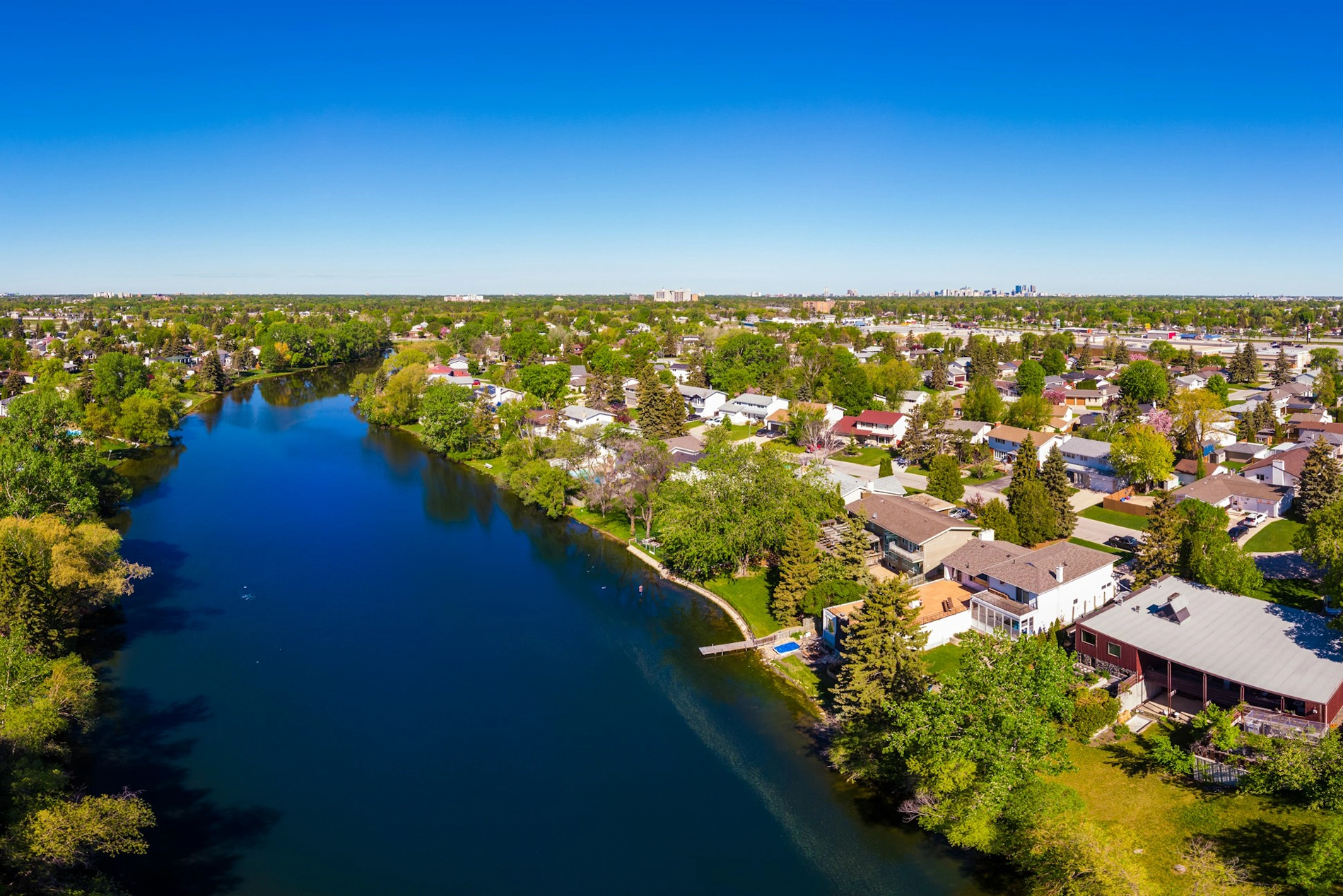
If you're raising a family or planning to start one, the neighbourhood you choose matters just as much as the house itself. Schools, parks, safety, and the overall feel of a community all play into whether a place works for your family long-term.
Winnipeg and the surrounding areas have a lot of variety when it comes to family-friendly living. Some people want a brand-new home with a playground around the corner. Others want mature trees, a walkable street, and a school their kids can bike to. There's no single "best" answer because it depends on what your family needs.
Here are some areas worth considering and what makes each one stand out.
Charleswood
Charleswood has a semi-rural feel even though it's well within city limits. Lots are generally larger than average, streets are often quieter, and the Assiniboine Forest is right there for anyone who wants to walk, bike, or cross-country ski. Families here tend to stay for a long time. It's the kind of place where your kids grow up knowing their neighbours.
The area is served by the Pembina Trails School Division, which includes several well-regarded schools like Oak Park High School and École Charleswood.
Average home prices in the broader Charleswood area typically range from the low $300,000s to over $700,000, depending on the specific pocket and the age of the home.
River Heights
River Heights is one of Winnipeg's most established neighbourhoods and it has a well-earned reputation for walkability. Academy Road has local shops and restaurants, Corydon Avenue brings patio culture in the summer, and there's no shortage of mature elm-lined streets.
For families, the draw is the combination of character and convenience. The neighbourhood is close to downtown, well-served by schools in both the Winnipeg School Division and private options, and has parks throughout. Homes here range from modest bungalows to large heritage properties along Wellington Crescent.
River Heights tends to hold its value well. It's a popular area and competition for homes can be strong, particularly for updated properties.
Sage Creek
Sage Creek is one of Winnipeg's newer developments on the southeast side of the city. It was designed with families in mind with walkable paths, modern playgrounds, and a community built around contemporary planning principles. The homes are newer, many built within the last 10–15 years, and come with the warranties and energy efficiency that go along with that.
The area is part of the Louis-Riel School Division and has École Sage Creek School serving the local population.
For families who want a newer home with modern finishes and a neighbourhood where everything is clean and well-maintained, Sage Creek checks a lot of boxes. Prices generally start in the mid $400,000s and go up from there.
Bridgwater
Bridgwater is another newer development in southwest Winnipeg that's been growing steadily. It includes several sub-areas including Bridgwater Forest, Bridgwater Lakes, Bridgwater Trails, South Pointe, and Prairie Point. The community is being designed with a mix of housing types including single-family homes, condos, and townhouses.
Parks, trails, and green spaces are central to the development plan. Shopping and restaurants continue to expand in the area as the population grows. Bridgwater is served by the Pembina Trails School Division.
Prices vary across the different pockets, but single-family homes typically start in the mid $400,000s and average around $690,000.
Transcona
Transcona has a small-town feel that's hard to find within a large city. It has its own downtown strip, its own identity, and a strong sense of community. The housing stock ranges from older character homes to newer builds, and prices are generally more affordable than many other parts of Winnipeg.
Families have access to schools through the River East Transcona School Division and there are plenty of community centres, parks, and recreational facilities.
For families who want more home for their money and a tight-knit community atmosphere, Transcona is worth serious consideration. Average prices here typically run from the $250,000s to the $500,000s.
East St. Paul
Just north of Winnipeg's Perimeter Highway, East St. Paul offers larger lots and a more rural lifestyle while still being a short commute from the city. It's a popular choice for families who want space, privacy, and a quieter pace without being far from urban amenities.
Properties here often sit on larger parcels of land, and the housing styles range from older bungalows to large custom-built homes. The trade-off is that public transit options are limited, so you'll need vehicles.
East St. Paul is served by the River East Transcona School Division and is close to Birds Hill Provincial Park for year-round outdoor recreation.
Niverville
Niverville is about 30 minutes south of Winnipeg and has seen significant growth in recent years. It appeals to families who want a small-town environment with newer housing stock and growing amenities. The town has its own schools, recreation facilities, and a developing commercial area.
For families willing to commute, Niverville offers considerably more space and newer homes for the price compared to buying within Winnipeg.
More details on Niverville and other communities outside Winnipeg can be found on our Communities page.
What to Look For
Beyond the specific neighbourhood, here are a few things worth checking when you're evaluating an area for your family:
- School proximity and ratings. Even if your kids aren't school-age yet, schools affect property values and resale
- Parks and green spaces. Look for areas where kids can play safely and where there are community gathering spots
- Commute times. Test drive the route to work during rush hour before you commit
- Future development. Check the City of Winnipeg development map to see what's planned nearby. New schools, roads, or commercial areas can significantly affect an area's appeal
- Community feel. Spend time in the neighbourhood. Walk the streets on a weekend afternoon. You'll get a sense of whether it feels like a place where your family would be comfortable
Choosing where to raise your family is personal, and no blog post can tell you which neighbourhood is right for you. But understanding what's out there and what each area has to offer puts you in a much better position to make a decision you'll be happy with for years to come.
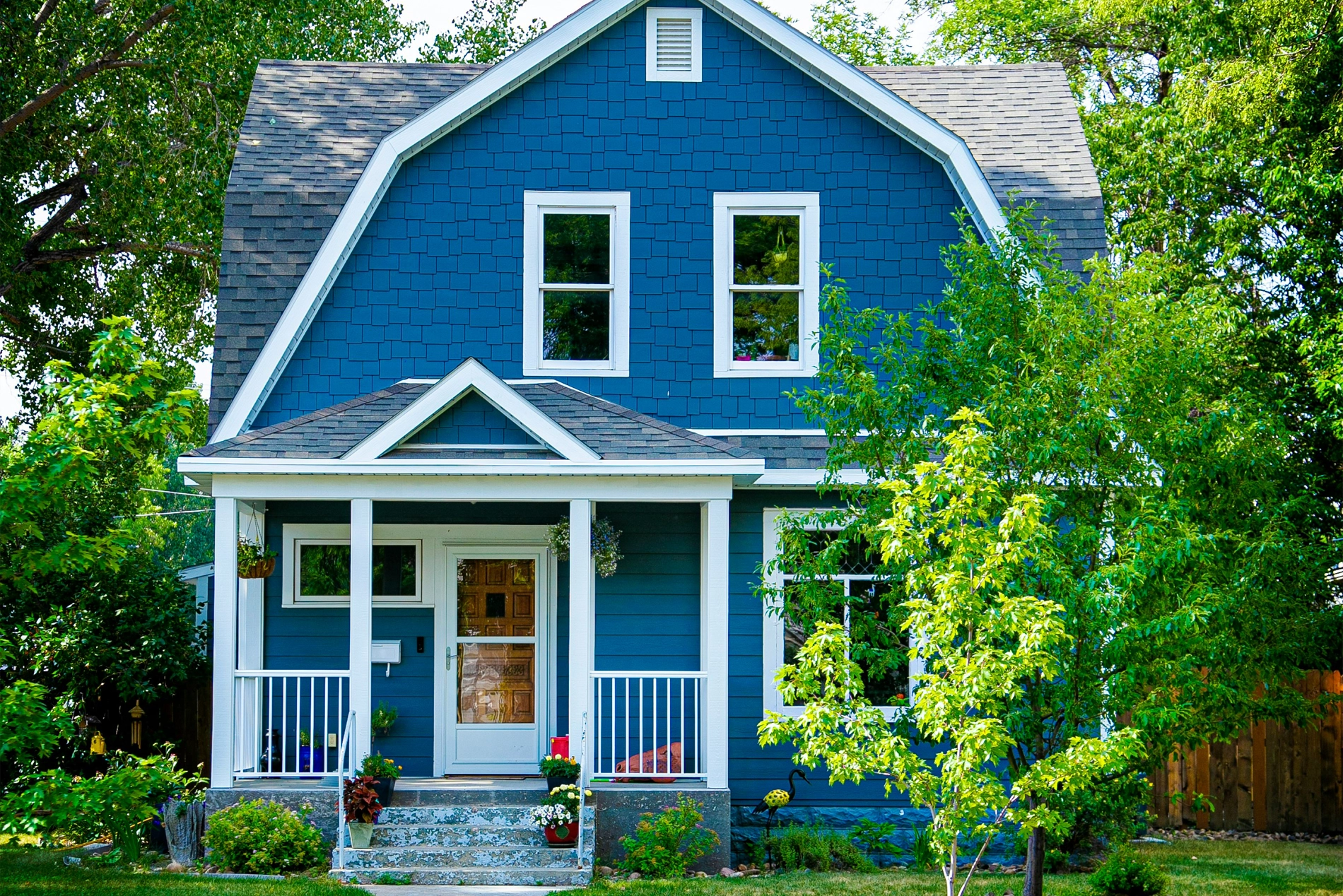
Buying your first home is one of the biggest financial decisions you'll ever make, and if you're looking in Winnipeg or the surrounding areas, there's good news. This is still one of the most affordable major cities in Canada to buy a home. That said, the process can feel overwhelming if you don't know what to expect.
I've helped many first-time buyers navigate their way from "just looking" to getting the keys, and the ones who prepare ahead of time always have a smoother experience. Here's what you need to know before you start.
Figure Out What You Can Actually Afford
Before you even look at a single listing, talk to a mortgage broker or your bank about getting pre-approved. A pre-approval tells you exactly how much you can borrow, what your monthly payments would look like, and it shows sellers that you're a serious buyer when it's time to make an offer.
In Canada, if your down payment is less than 20% of the purchase price, you'll need mortgage default insurance through the Canada Mortgage and Housing Corporation (CMHC). This gets added to your mortgage, so factor it into your budget.
The minimum down payment in Canada is 5% on the first $500,000 and 10% on any amount above that up to $999,999. For a typical Winnipeg home in the $350,000–$450,000 range, that means you'd need roughly $17,500–$22,500 as a minimum down payment.
Take Advantage of First-Time Buyer Programs
There are several government programs designed specifically to help first-time buyers, and not enough people take advantage of them.
The First Home Savings Account (FHSA) lets you save up to $40,000 tax-free for your first home. Contributions are tax-deductible (similar to an RRSP), and withdrawals for a qualifying home purchase are completely tax-free. If you haven't opened one yet, talk to your bank. The sooner you start contributing, the more you benefit.
The RRSP Home Buyers' Plan allows you to withdraw up to $60,000 from your RRSP tax-free to put toward your down payment. You have 15 years to repay it back into your RRSP. You can actually use both the FHSA and the Home Buyers' Plan together, which can add up to significant savings.
The First-Time Home Buyers' Tax Credit gives you a $1,500 non-refundable tax credit to help offset some of the closing costs. It's not a huge amount, but every bit helps when you're stretching to make it all work.
More information on these programs is available through the Government of Canada's first-time home buyer page.
Understand the True Cost of Buying
The purchase price isn't the only cost you need to budget for. First-time buyers are often surprised by the additional expenses that come with closing on a home.
Closing costs in Manitoba typically run between 1.5% and 3% of the purchase price. On a $400,000 home, that's $6,000–$12,000. These include:
- Lawyer fees: $1,200–$2,000 for the real estate transaction
- Property title insurance: A few hundred dollars to protect against title defects
- Home inspection: $400–$600 and worth every penny
- Land transfer tax: Manitoba calculates this on a sliding scale based on the property value. The Manitoba Land Titles Office can provide the exact calculation for your purchase price.
- Property tax adjustments: You may need to reimburse the seller for prepaid property taxes
Don't Skip the Home Inspection (if possible)
It's always best to get a home inspection, especially on your first purchase. A qualified home inspector will go through the property from top to bottom and identify issues you'd never catch on your own. Foundation cracks, outdated electrical panels, roof damage, plumbing problems. These are things that can cost thousands to fix and you want to know about them before you commit.
However, in a competitive market there's pressure to waive the inspection condition to make your offer more attractive. If there's enough time before an offer date, it's sometimes possible to compelte a full home inspection before you make an offer so you don't need to include it as a condition of your offer and this is definitely money well spent for the inspection, to have piece of mind and still make a competative offer.
Choose the Right Neighbourhood
Winnipeg and the surrounding areas offer a wide range of communities, each with their own character, price range, and lifestyle. Spend some time exploring different areas before you narrow your search. Drive through neighbourhoods at different times of day. Check the commute to your workplace. Look at what's nearby: schools, grocery stores, parks, transit routes.
Some things to consider:
- Newer developments like Sage Creek, Bridgwater, and Prairie Pointe offer modern homes with warranties but may have fewer established amenities
- Established neighbourhoods like River Heights, Wolseley, and Charleswood have mature trees, character homes, and walkable streets but may need more maintenance and updates
- Suburban communities outside Winnipeg like East St. Paul, Headingley, and Niverville offer more space and land for your money
Our Communities page has detailed information on hundreds of neighbourhoods across Winnipeg and Manitoba, including current market statistics, school information, and homes for sale.
Work with a REALTOR® Who Knows the Area
Having your own agent doesn't cost you anything as a buyer. In most cases, the seller pays the buyer's agent commission. But the value you get from working with someone who knows the local market, understands the offer process, and can negotiate on your behalf is significant.
A good agent will set you up with automated alerts so you're notified the moment a property matching your criteria hits the market. In a competitive market, being first to see a new listing can make the difference between getting the home you want and missing out.
Your agent will also guide you through the offer process, explain the conditions you should include (or when you might consider waiving them), and help you avoid common mistakes that first-time buyers make.
What Happens After Your Offer is Accepted
Once your offer is accepted, there's still work to do. You'll need to:
- Satisfy your conditions. Complete the home inspection, finalize your mortgage approval, and review any other conditions in your offer within the specified timelines
- Hire a lawyer. Your lawyer handles the title transfer, registers the mortgage, and ensures everything is legally in order
- Arrange home insurance. Your mortgage lender will require proof of insurance before closing
- Plan your move. Book movers, set up utilities, arrange mail forwarding, and start packing
- Do a final walkthrough. Before closing, walk through the property one more time to make sure everything is as agreed
Ready to Start?
Buying your first home is a big step, but it doesn't have to be stressful. The key is preparation: understanding your budget, knowing what programs are available to you, and working with professionals who can guide you through each step.
If you're thinking about buying your first home in Winnipeg or the surrounding areas, the Andrew St. Hilaire Team would be glad to help. Whether you're just starting to explore or you're ready to make an offer, reach out to us and we'll make sure you're set up for success.

Synonymous with prime selling season, spring and summer are the perfect time to freshen up your space in preparation for getting your house listed on the market. I've rounded up some great cleaning tips that will not only transform your space into a swoon worthy dwelling but also attract home buyers looking to purchase their next home. Ready to embark on your cleaning journey? Read on to get started!
Out of Sight, Out of Mind
First things first: declutter your home. No prospective buyer wants to step into a house filled with perceived junk. Go around the house to identify items that have been taking up precious space for months and years. Perhaps it's your collection of novels you've been meaning to read. Or clothes you've held onto for special occasions or 'just in case' situations that never quite materialized. Once you figure out what needs to be donated or boxed up and stored in your garage, you'll breathe easier knowing that you've created a perfect space for the next owner to manifest their dream home.
Keep Your Windows Sparkling Clean
There's nothing like dirty windows, screens, and sills that signal 'Don't look inside' to prospects. Tackle this moderately intense project by starting with the inside of your home, as you'll have more control over the outcome. To clean the windows outside, hose them down and remove excess water by using a squeegee or hire a professional for the harder to reach exterior windows. As for cleaning solutions, there are plenty of eco-friendly products that will yield sparkling, streak free results. More of a DIY person? Mix distilled white vinegar with water for the same results.
Get Your Floors Spick and Span
Chances are, you already sweep, dust. or vacuum your house every week to keep your floor looking and smelling fresh. Despite your best efforts, stubborn dirt, dust. and allergens get deeply embedded in your hardwood floor or carpet, leaving behind a less-than-pleasant appearance and odor. Whether you live in a large compound or a smaller, cozier house, it's well worth the money to enlist the help of a professional floor cleaning service to ensure every square inch of your place looks and smells brand new. Want to maintain the freshness without added chemicals? Use an air purifier in lieu of air fresheners to eliminate funky smells.
Boost Your Home's Curb Appeal
Beautifying your outdoor space is just as important as cleaning the interior of your home. Take a mini-tour of your yard and garden; does your lawn need a proper cut? Are there any pesky weeds sprouting throughout your otherwise pristine yard? Take care of the landscaping duties your self or hire a professional to tidy things up while you bask in the sun and sip on a refreshing glass of Arnold Pa I mer. If neither of these applies, enjoy a weekend of embellishing your garden with fresh flowers and lush plants conducive to thriving in your city. Or try adding a fresh coat of paint to your front door for a quick, inexpensive way to make the right impression. (Pro tip: Stick to neutral colours as they appeal to most home buyers.)
De-gutter and Mend Your Roof
After months of snow-ridden (or unseasonably warm) winter days, chances are your gutter and roof show some weather-induced wear and tear. Remove the collection of dead leaves and debris from the gutter to prevent any unwanted critters and insects from inhabiting the space and potentially clogging it. While you're at it, inspect your roof for any holes, leaks, and other damages incurred during the previous season. Taking these steps will not only save you hundreds if not thousands of dollars in costly repairs, but whoever is lucky enough to snag your abode will have a sturdy yet comfortable roof over their head.
Make Your A/C Unit Run Like a Breeze
With warmer weather ahead, make sure that your air conditioner is in tip-top shape. Not only will this prevent you from enduring sweltering heat once the temperatures rise but the next occupants will also appreciate the cool breeze that sweeps through the house. Start by changing the air filter regularly (the general rule is every 30 days) since that can be done easily by yourself. For more intense tasks such as cleaning air vents and ducts, hire an HVAC profession also they can access hard-to-reach areas in your house.
Ready to Sell?
For professional advice and information on selling a home with a top notch agent, contact Andrew St. Hilaire Winnipeg REALTOR®.

A 'bidding war' may sound like a military incursion fought over a real estate purchase, but really, it simply means there is competition from multiple buyers, all submitting an offer to purchase the same property and then increasing their offer to compete. It can cause frustration and serious issues for buyers looking for their next home, and can be very rewarding for sellers who end up selling for much more than they are expecting.
The competition in today's seller's market, where supply is low and demand is high, pushes buyers to submit offers with a price much higher than the list price, and in order to keep their offers competitive and 'clean', they may even exclude some conditions that would otherwise be reasonable to include such as a home inspection or even a financing condition. However frustrating or rewarding a bidding war might be for buyers and sellers, bidding wars are not absolute chaos and there are rules and guidelines for agents to follow when handling multiple offers.
Ethics
The Canadian Real Estate Association (CREA) has a Code of Ethics all REALTORS® must follow as a standard of conduct based on moral integrity, competent service to clients and customers, and dedication to the interest and welfare of the public. This standard ensures the protection of the rights and interests of consumers of real estate services. Under this code, REALTORS® have a duty to protect and promote the interests of their clients. This duty would require that if a client wishes to encourage a multiple offer situation and possibly a bidding war, it is the REALTORS® obligation to do what is best to promote their client's interests.
REALTORS® also have an obligation to disclose if they are representing multiple clients in a specific sale, such as if they represent both the seller and a buyer, since all parties need to provide informed consent, and no private information regarding motivations, circumstances, etc. is to be shared between parties that might give an advantage to either party.
Manitoba Disclosure Rules
When there are multiple offers submitted for a property, and there is a set date and time when offers will be presented to the seller for review and consideration, the listing agent is required to communicate to all buyers or their agents that there are multiple offers and may provide the total number of offers. Generally, this is done an hour to 15 minutes before the offers will be presented and this provides an opportunity for buyers to consult with their agents and decide if they wish to make any changes to their offer. If changes are to be made, the buyer or their agent will communicate the changes to the listing agent who will update their submitted offer.
According to the Manitoba Securities Commission, the listing agent must be very precise in their communication to the competing buyers or their agents. Listing agents must not disclose any details of the competing offers, whether directly or by implication, and likewise, must take heed of contract law, and traditional industry practice related to the options of acceptance, rejection or counter. Some very limited degree of "pre-qualification" and "clarification" is allowable. Any other variation will make the listing agent subject to discipline. Except as noted below, as a general rule, an agent (acting on a seller’s instruction) may only accept, reject or counter an offer, and do so in writing.
By way of an exception to the general rule, a listing agent may contact the buyer or their agent and communicate in the following manner:
- If there is something unclear (or there appears to be an error in drafting) on the buyer’s offer, the listing agent can seek clarification.
- The listing agent can enquire whether the buyer is flexible on a particular term (e.g. possession date, or the amount of the deposit).
In doing so, the listing agent must be precise in noting that they are not communicating a counter-offer, but are merely going through a pre-qualification or clarification exercise. Likewise, there is no guarantee that a seller will issue a counter-offer, or select the offer for further consideration, once the presentation process begins.
In the interests of transparency, a listing agent must keep a list of offers presented to the seller. The list will be maintained on a draft form provided by the Manitoba Real Estate Association (MREA). The form will note the following information:
- the number of offers presented to the seller;
- the identity of the buyer agent/selling agent;
- a notation of whether the offer was received in a sealed envelope;
- a notation of whether sealed envelopes were opened in the presence of the seller;
- the form will be signed by the seller and/or listing agent.
This list will be maintained on the listing brokerage’s file and will be provided to any buyer, buyer agent, or selling agent who wrote one of the competing offers, and requests a copy.
Sellers Under Listing Properties
Although the REALTOR® Code requires REALTORS® to protect and promote the interests of their clients, the Manitoba Securities Commission has cautioned agents about under listing properties and possibly committing fraud. They remind agents that the definition of fraud in the Real Estate Brokers Act includes "any course of conduct or business calculated or put forward with intent to deceive the public or the purchaser or the vendor as to the value of real estate." Deliberately under valuing a property in a listing in order to create a bidding war qualifies as fraud under the Act as the listing agent is deceiving the public and creating an interest in the property for buyers who are not qualified to purchase the property at the price the vendor is expecting to accept. In addition, advising a vendor to list a property below market value also qualifies as fraud under the Act.
If the Commission receives a complaint alleging that a listing agent under listed a property, it will be up to the agent to demonstrate how they determined the listing price. If the agent is found to have deliberately under listed the property, appropriate disciplinary action will be taken.
Sellers and their agents should use a Comparative Market Analysis to determine the fair market value when listing a property and the price at which the seller decides to list the property should be a number they would be willing to accept.
How to Win a Bidding War
There are a few things in an offer that a seller is going to be looking at, and the more attractive your offer is to the seller, the more likely they are to accept your offer. The seller and their agent will be essentially looking at what additional terms may be included, what conditions are included, what price is being offered, and the possession date. In addition to these few things within the offer itself, sometimes including a personal cover letter can make a difference, especially if the offer matches closely with another one, the amount of the deposit cheque and whether it is included in with the offer can matter especially for unconditional offers, any mistakes on the documents, and if the documents are clear to read. I've had several buyer clients win bidding wars and not be the highest price by considering all of these factors and making the best offer possible for their specific needs. Remember that you may not know you're in competition until just before the time offers will be presented, so your initial offer doesn't need to be any higher than the asking price since you'll have an opportunity to update your offer and that's when the following tips will come into play if you want to fight to win the bidding war.
- Work with a good real estate agent.
- Put your best price forward.
- Be pre-approved for financing and let the seller know you are pre-approved.
- Make the offer as 'clean' as possible.
- Make the deposit amount as high as possible - it counts towards the downpayment.
- Include the deposit cheque if possible.
- Find out from the listing agent what the seller's ideal possession date would be and try to get it as close as possible in the offer if it works for the buyer.
- Include a personal cover letter - it can't really hurt.
Having a responsive, experienced, and knowledgeable agent to provide guidance and strategies to win the bidding war is key! Contact Andrew St. Hilaire Winnipeg REALTOR® to help you win as a buyer or a seller in today's real estate market.

You might believe you don't need your own REALTOR® when buying pre-construction or new construction homes, but then who's there to protect your best interests? Most builders and developers have an on-site representative, usually a REALTOR®, who can take care of all the paperwork and who will say they can do everything for you themselves, but this representative also has the builder's goals in mind - to make the sale! Buyers should have their own agent involved to increase their advantage, protect their interests, and for guidance and support.
Less Overwhelming
Buying a new construction home can be a lot more complicated and involved than purchasing a resale home. An experienced agent who understands the development, neighbourhood, construction materials, and sales and market data will be of great benefit to a buyer. An agent will also greatly enhance your search process, saving you time and effort while also providing full access to a search portal and notification system from REALTOR.ca and other sources. Agents also know the reputation of builders, how they meet deadlines, and how they follow-up on issues. Agents can also offer advice on a good time to buy, whether during pre-construction, mid-construction, or after the building is completed and may also have information on upcoming promotions or other development areas.
Negotiation
A REALTOR® working for you will help you to understand all the fine print in a purchase agreement and they will negotiate for the best terms, features, and upgrades. A skilled agent can also spot the upgrades and extras that may not be worth the cost the builders would charge and they can help with the decision on which might be worth including or excluding.
Price Discounts
Consider this: builders and developers price their products very carefully and the purchase price for new homes is not typically negotiable because other buyers will be able to see the history of previously sold similar homes and then expect to also be able to purchase the home at that price. Buyers are sometimes led to believe that by not using their own agent to buy a new construction home that the builder will subtract the potential commission from the purchase price, but this risks setting a price precedent on that model of home and builders generally prefer to avoid this. Since the seller usually pays the commission for a buyer's agent, it makes the most sense for you to work with your own trusted agent.
Guidance and Support
There are multiple steps and multiple stages to navigate with pre-construction and new construction homes as well as interacting with many people involved in the process before closing. Decisions may be needed on the design, electrical, construction of the home as well as dealings with financing, home inspectors, contractors, appraisers, alterations, etc. Working with a trusted REALTOR®, who can help guide and support you through the entire process, will make the process less overwhelming, a lot easier, and ensure that all your needs are met. Read a few great tips here.
A Trusted Agent
When buying pre-construction or new construction homes in Winnipeg or the surrounding areas, you can count on me to be your trusted REALTOR® - Andrew St. Hilaire Winnipeg REALTOR®.

To sell quickly and for top dollar, staging is probably the easiest and best way to succeed. Home staging allows buyers to see your home in the best light possible. A positive first impression and seeing the potential for each space makes a buyer more likely to write an offer and offer a higher purchase price in their offer. Seeing an empty room or a room with mismatched or outdated furniture, clutter, or lots of personal items makes it difficult to see the true potential of the property in photographs and in person which will result in fewer buyers scheduling viewing appointments, fewer buyers interested in writing an offer, and buyers offering a lower purchase price. Read on for home staging statistics, tips, and benefits that make it clear how you gain by staging your home for sale.
Statistics
According to the National Association of REALTORS® 2021 Survey:
- 82% of buyers' agents said staging a home made it easier for a buyer to visualize the property as a future home.
- 47% of buyers' agents cited that home staging had an effect on most buyers' view of the home.
- Staging the living room was found to be very important for buyers (46%), followed by staging the primary bedroom (43%), and staging the kitchen (35%).
- 23% of buyers' agents said that staging a home increased the dollar value offered between 1% to 5%, compared to other similar homes on the market that were not staged.
- The median dollar value spent when using a staging service was $1,800 (adjusted from USD to CAD).
Buyers Are Informed
With so much information easily available online, buyers know what they want in their ideal home. Staging a home helps buyers to determine if a house meets their requirements and expectations, but with no staging may prevent a buyer from seeing the potential. According to the NAR Survey, 40% of buyers' agents said home staging had an effect on buyers' views of a home while only 6% said it made no difference.
Broad Appeal
Everyone has their own personal style and taste for the design and feel for their home, but remember that it's the buyer, not the seller, to which the home should appeal the most when selling. Getting buyers through the door to visit your home is key and staging will improve your efforts dramatically if you intentionally stage a home so it has a broad appeal in order to be attractive to the most potential buyers.
Top Dollar
Remember, 23% of buyers' agents said that staging a home increased the dollar value offered between 1% to 5% compared to other similar homes on the market that weren't staged. Among seller's agents, 22% agreed, and 17% say it actually increased the offered price by 6% to 10%. That's a notable increase to the selling price. Also, 0% of sellers' agents and only 1% of buyers' agents said that staging had a negative impact on offering price. It's easy to see the value in the cost to stage compared to the return in the offered price.
Time On Market
Homes that sit on the market tend to become harder and harder to sell since buyers can begin to think there's something wrong with the property. Staged homes tend to sell faster and for a higher price.
Home Staging Tips
A professional home stager might charge between $1,000 to $1,500 for an average staging. They will visit a home for a consultation at which they will discuss staging options, prepare a list and plan for the staging, and make suggestions for de-cluttering, de-personalizing, and what pieces of furniture, artwork, or decor should be left or removed. Professional stagers also typically have an inventory of furniture and decor to choose from so filling a vacant house or making an occupied house look its best can be easier and much less expensive with their services. Working together can produce the best results and here are some tips to consider doing or which a pro might suggest at a consultation.
De-clutter
Entering a room and feeling like it is open and uncluttered makes it look bigger and more appealing. It's a good idea to box up everything you don't need for day-to-day living and store it out of the way until the property sells or you've moved into your next home. It's not uncommon to have a storage container dropped off on the driveway to store boxes and furniture items and have it hauled away for storage until the property sells or even just leave it on the driveway if the costs of moving and storing the container are prohibitive. It's ok to have the container in the driveway so long as the house can show it's best, but even better if it can be stored somewhere else.
De-personalize
Try to create a blank canvas for buyers to be able to picture themselves in a home. Seeing personal photos of the current owners can make it harder for buyers to imagine the house as their own home. Store family photos and any other overtly personal items like toothbrushes, clothes, etc. out of sight.
Clean
First impressions are important to get right, to leave buyers feeling positive about making an offer. Clean as deeply as you would if you were just moving into your home after unpacking. If you don't have the time to do the job well, hire a professional cleaning service instead. Don't forget to tidy up outside too by keeping the grass trim, the patio or deck clean, and the yard and garage tidy.
Minor Repairs
Make time to do any needed paint touch ups, caulking, fix plumbing leaks, replace missing electrical covers on light switches or outlets, replace burnt light bulbs, and anything else you may have been putting off. Buyers may not notice every little thing but they may be keeping a mental list of all these little things and they will add up to a bad impression.
Stay neutral
Remember that your taste may not be everyone's taste in style or colour choices. If you have brightly painted walls, or dated colour choices, it might be a good idea to paint with colours that will appeal to the most buyers. A professional stager might be able to help with some ideas at their consultation, or take some photos and ask for advice on social media or from a few experienced people you might know. Paint is relatively inexpensive and painting a few walls will help buyers to see the possibilities for the space instead of being distracted.
Hire An Experienced Agent
For professional advice and information on buying or selling a home with a qualified agent, contact Andrew St. Hilaire Winnipeg REALTOR®.

If you're considering selling your home or house hunting to buy, you might be wondering why you should use a real estate professional and how much benefit they might provide. Why not list your home for sale on your own or just call the agent on the sign or from the online listing when you see a house you might like? Here are five reasons why you need a real estate agent.
1. Industry Knowledge
Real estate professionals require extensive training before obtaining their real estate license and using the REALTOR® trademark. Agents must have knowledge about developments in real estate as well as actively updating their education. They have access to valuable market data that the general public can't access on their own including the ability to produce a Comparative Market Analysis and other reports that will help to develop a pricing and marketing strategy for the sale of a home or in determining a fair market value when buying. As well, they have real estate industry materials, experience, a network of colleagues and allied resources to further increase their knowledge and value.
2. Negotiation Skills
Having an experienced real estate agent with an arsenal of negotiating tactics and strategies at their disposal is the best way to maximize your results in a deal. A skilled negotiator will help to avoid blunders that could affect your negotiating position which could result in money left on the table. Terms and conditions are as important as the purchase price and having the ability to negotiate the entire agreement with the other party is essential.
3. Working for You
In an agent/client relationship, the salesperson and his/her real estate firm is required to protect and promote your best interests in the transaction as they would their own. The following outlines some of their duties arising out of an agent/client relationship in a typical real estate transaction:
- Loyalty to serve your best interests ahead of anyone else's, including their own, and at all times to exercise good faith and to disclose all known facts and information which may influence your decision.
- Obedience to follow all of your lawful instructions.
- Discretion to keep confidential your private circumstances, motivations, and confidences which you shared with the salesperson or which the salesperson or the real estate firm has learned.
- Competence to exercise reasonable care and skill in performing all assigned duties.
- Accounting of all money, deposits, or other property entrusted to them.
On top of these requirements, an agent helps to leverage your time and does a lot of the work for you. Successfully selling a house with the best outcome requires an effective marketing strategy that can involve promotional materials delivered to the surrounding neighbourhoods, social media posts and other online listing platforms, many phone calls, an attractive and visible yard sign, scheduling and doing showings, open houses, and so on. When buying a house, your agent will get to know your needs and wants and then provide you access to all the available homes that meet your criteria and stay on top of the market and new listings to be sure you see everything that might be a match for you. When buying or selling, an agent will be there to give advise, share market data, provide access to their resources, help you to easily handle all the paperwork, and most importantly, they will negotiate on your behalf.
4. Guidance and Support
Purchasing or selling a home is exciting, but it can also be emotional and even overwhelming. It's one of the largest financial commitments for most people and the place where you'll be making new memories with friends and family if you buy it and where those memories might make it difficult to move on when you sell. A real estate agent can provide guidance and support through each step and will be at your side for every home viewing, helping you to find the right house for you and your family, or working hard to sell your home with experience, advice, and being attentive to what's important for you.
5. Avoid Closing Issues
Everyone wants to avoid obstacles and problems when it comes to their purchase or sale of a home. An experienced agent can foresee any issues and help you to avoid, overcome, and resolve them before it's too late. Closing issues can include:
- Condition deadlines being missed
- Document errors
- Legal risks
- Last-minute requests
- Issues at possession
Avoid these frustrations and other issues by using an experienced real estate professional!
The Bottom Line
It's a lot to learn how to sell your house on your own or to buy a house with no one there working with you, especially for one of the biggest transactions of your life. Agents have access, experience, and knowledge that are incredibly beneficial to their clients. For more information on buying or selling a home with a qualified agent, contact Andrew St. Hilaire Winnipeg REALTOR®.

Deciding whether to buy a house or a condo may be an easy decision for some, but for others, there may be factors that make this decision more difficult. There are pros and cons to each considering resale value, amenities, convenience, and space.
The best approach for deciding is to identify what's most important for you as far as goals, lifestyle, and budget. An experienced REALTOR® will help you to make an informed decision by helping you focus on the things that matter the most for you and looking at the options available in your desired market which will make deciding between a house or a condo easier. You can start by entering your search criteria here to see all the available listings that match your needs and wants between houses and condos in your preferred neighbourhoods.
Condo Types
There are two main types of condos on the market, freehold and leasehold.
Freehold condos include buildings divided into units, row townhouses, and standalone townhouses or homes. Within these freehold condos, there are standard condominiums where you will buy your unit with an interest in the property's shared common areas and elements, but you won't own the land. Common elements condominiums have no units but you own the property and the land on which it sits. Owners within the common elements condominiums community share the ownership of common elements, and they fund their maintenance and repair jointly.
Leasehold condominium corporations don't own the land in the condominium corporation, but the lease purchasers buy a leasehold in units and common elements.
Price
The difference when buying a standard condominium compared to a house is that you're only buying a unit in a building without any of the land. Other kinds of condominiums may be different though.
Most of the time, a condo is more affordable than a house in the same area, but this gap can be wider in some markets, and may not exist at all if it's a common elements condominium. Sacrificing a convenient location in certain cities like Toronto and Vancouver, for example, will significantly influence your decision for a house or condo. The choice is much easier in Winnipeg.
Expenses
Condos include monthly fees to pay for certain services, maintenance, and amenities. These are usually based on the size of your unit and the number of units in the building. Some condos offer luxurious amenities, like a 24-hour concierge, pool, gym, sauna, theatre, and even a bowling alley. Of course, your condo fees will be higher with the better amenities being offered.
The condo fees generally cover the costs when anything break inside the common areas of the building. Obviously, homeowners bear these costs on their own.
Typically, insurance rates for a condo are much less than for a house and utility bills for heat and gas are also generally less with a condo.
Maintenance
Maintaining the yard, snow shovelling, seasonal repairs are not your problem with a condo so if you hate these chores, a condo might be a good fit. Houses require a lot more work in general.
Location and Lifestyle
Condos usually have central and convenient locations to give owners an easy commute and easy access to public transit, restaurants, and shopping. Professionals may decide these conveniences are a priority over having a back yard of their own or more living space and would prefer to enjoy their free time without performing any maintenance on a house.
If you have children or plan to have any soon, considering living space and yard space, noise, and available privacy in a house compared to a condo may be important.
Freedom
Condo boards have rules that all owners or tenants need to follow. These rules may limit how many pets you're allowed and what kinds, prevent smoking, restrict visitors in certain areas, prohibit renting out the unit, prevent having a BBQ on patios, among other limitations.
Condo Pros
- Not responsible for repairs or maintenance outside of your unit
- Possible access to amenities like pool, gym, concierge
- Better security
- Usually easier to rent in the short term
- May be located in a more central or convenient location
Condo Cons
- Usually less privacy
- Limited outdoor space
- Monthly fees
- Possibly pay for amenities you aren't using
- Possible restrictions or limitations
House Pros
- More freedom to renovate or decorate
- More control of your space
- Like to have more outdoor space
- More privacy
House Cons
- Responsible for repairs and maintenance
- Utility bills are usually higher

Are you getting ready to put your home on the market? Maybe you’re curious how the pros sell homes faster and for top dollar? Whatever your situation, I’m going to break down the top 10 best tips for selling your home.
1. First impressions matter – Make it count!
First impressions are so critical that it would be unwise to ignore this when selling your home. The first time a prospective buyer sees your house will be a huge determining factor in their decision to go ahead or not. Using a professional staging service is one of the best ways to create a great first impression and especially when selling a vacant house.
2. Keep your home ready for buyers.
It goes without saying that if your home doesn’t look ready to show, it won’t encourage buyers to write an offer. Keep your home show-ready for buyers every time, and you’ll sell your home faster.
3. Your kitchen is the most important room.
The money you put into your kitchen generally comes back to you. When it comes to home buyers, the kitchen can make or break a potential sale. If you can’t afford to upgrade, use neutral paint colors and possibly replace the doors and visible surfaces or even simply update the cabinetry hardware.
4. Let buyers imagine the space.
The easiest way to keep your house clean and show-ready is to reduce the clutter. Rent a storage facility and stage your home to sell. Buyers want to imagine the space as their own, and they can’t do that with all your stuff there. The rule to follow is to de-clutter and de-personalize.

5. Don’t go overboard on the upgrades.
While upgrades in the kitchen and the bathroom matter, you don’t want to put upgrades everywhere. Instead, make simple changes for a dramatic effect. Fresh coats of paint, new curtains, new cabinetry hardware, and clean grout can go a long way.
6. Pets don’t sell a house.
This one is simple. Make arrangements to have your pets with family or at a day care or pet kennel and their litter box and toys hidden away. Find more helpful tips here.
7. Clean, Clean, & Clean!
Clean everything! Remember, you’re not just competing with other resale homes, but brand-new ones as well.
8. Bright and light are how it’s done right.
While not all homes are bright and airy, it’s crucial to find ways to let the light in for showings. Add some light features to improve the lighting in your home, and you’ll have buyers feeling the love. Light and neutral paint colours are best to lighten up a room.
9. Leave some space in your closets.
Home buyers want to see space, not clutter. Keep your closets at most halfway full so that they can imagine the space.
10. Price your home based on its value rather than its sentimentality.
It can be hard to look at your home objectively, but by having your agent prepare a CMA (Comparative Market Analysis) you’ll have a better sense of the selling price of similar homes in your area. An experienced agent will also help you decide on a pricing strategy based on your timeline and selling price needs as well as considering other factors like a buyer’s, balanced, or seller’s market.
Looking for an agent?
If you’re looking for an agent to sell your home in Winnipeg or the surrounding areas and who can help you to implement these tips, help with strategies to sell within your timeframe, and to get you the best price possible, contact Andrew St. Hilaire Winnipeg REALTOR®.